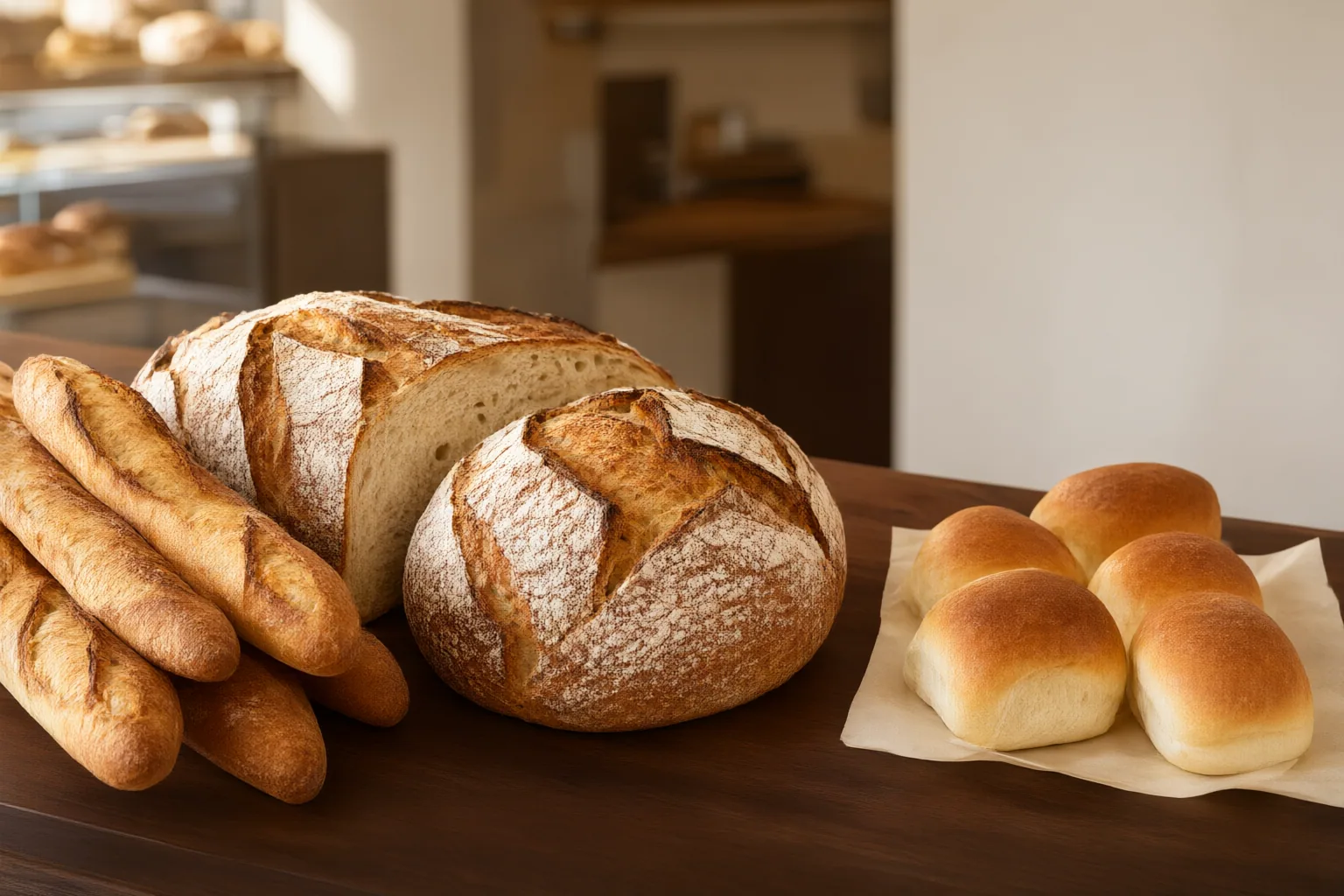
Choose bread according to when you expect to finish it, what date or batch information the package provides, and how you can store it. The available evidence supports this planning approach but does not establish a complete set of in-store freshness tests based on aroma, appearance, or similar signs.
Start With When You Plan to Eat the Bread
Begin by estimating whether you will finish the loaf within a few days or need to keep part of it longer. This helps you choose a practical storage method before buying and reduces the chance that the whole loaf will become stale or go unused.
The available sources mainly address freshness after purchase. They do not provide enough evidence to claim that aroma, appearance, or another in-store sign reliably proves freshness. A more evidence-backed approach is to consider your eating window, review the information available on the package, and decide whether short-term room-temperature storage or longer-term freezing fits your needs.
This approach also recognizes that storage involves tradeoffs. Leaving bread fully exposed can dry it more quickly, while sealing it in plastic may retain moisture and soften the crust. No single method is documented as ideal for every bread or timeframe.
Check the Packaging and Available Date Information
Look for any production date, batch code, or other date information the producer makes available. Such details can help you understand when the bread was made or how the brand communicates its storage period. Do not assume that every producer uses the same labels or coding system.
Food For Life provides one brand-specific example: it says some of its products do not carry a conventional best-before date. Instead, customers can use a five-digit lot number printed on the package clip with a production-date calculator on the brand’s website. That process applies to Food For Life products and should not be generalized to other brands.
Packaging claims also require the same caution. Food For Life says its double wrapping provides an additional moisture barrier and helps reduce freezer burn caused by dehydration and oxidation during frozen storage. This describes that company’s packaging, not a universal feature of bread bags.
Match the Storage Method to Your Timeframe
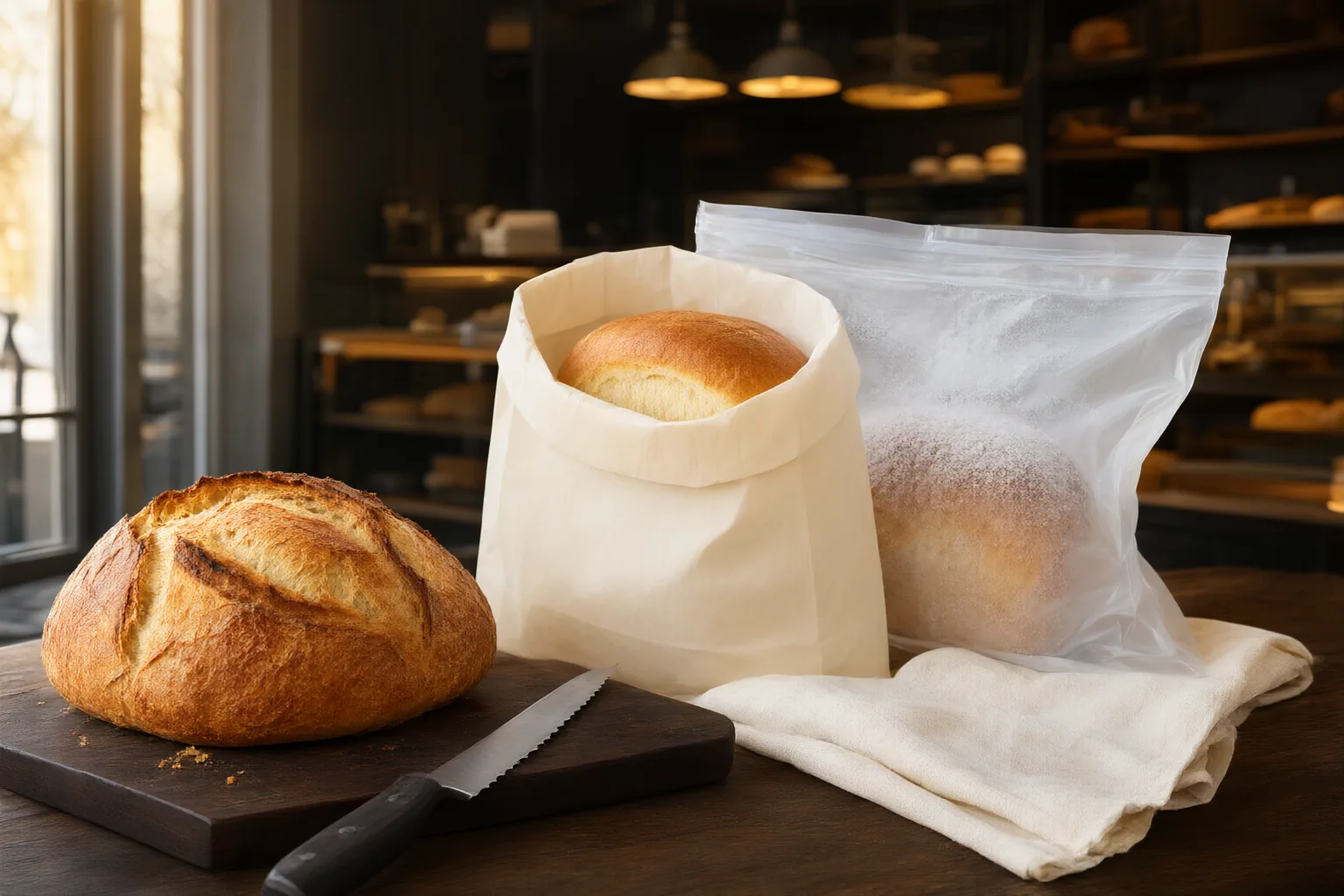
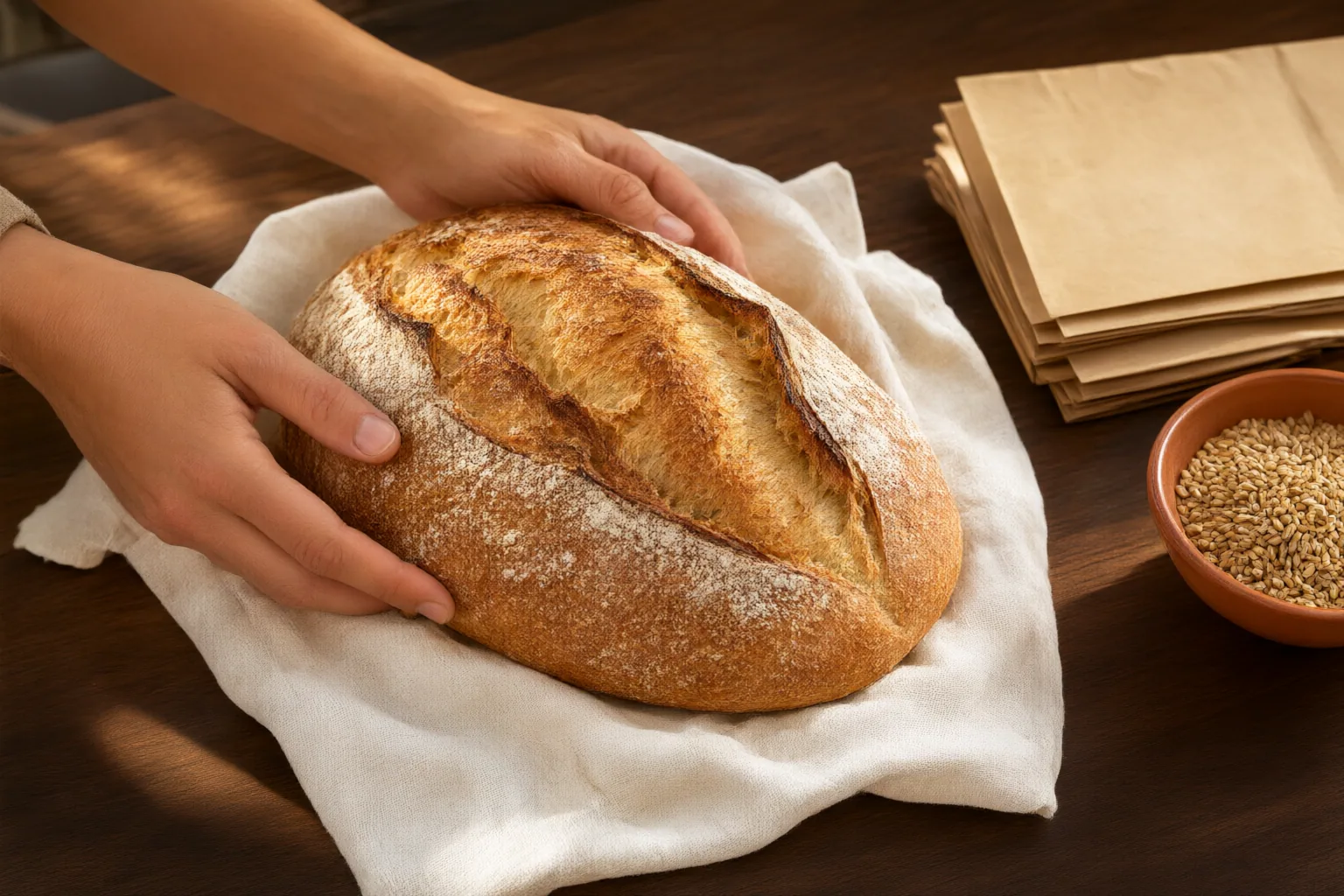
For bread expected to be eaten within several days, Talorne recommends room-temperature storage with a breathable covering when preserving texture is a priority. Bread left completely uncovered can lose moisture and dry faster. A sealed plastic bag can create the opposite problem by trapping moisture, which may soften the crust. The choice therefore depends on which texture and moisture tradeoffs matter for the loaf you have.
Refrigeration presents another compromise. Talorne says cooler storage may slow mold growth under some conditions, but refrigeration also accelerates starch retrogradation. The result can be a drier crumb and a harder crust. That means refrigeration should not automatically be treated as the best way to preserve eating quality, even when mold risk is a concern.
For a loaf that cannot be finished soon, both sources support freezing as the longer-term option. Talorne suggests slicing the bread first so individual portions can be removed as needed, then thawed or toasted directly. Portioning before freezing can help avoid repeatedly handling or defrosting the entire loaf and makes it easier to use only what is needed.
These methods are choices with different consequences, not universal rules. Bread type, packaging, expected eating time, and the balance between drying, trapped moisture, mold risk, and texture should guide the decision.
Conclusion
A practical fresh-bread decision starts with three questions: When will you finish the loaf? What production, batch, or date information does its package provide? Which documented storage tradeoff suits that timeframe?
Before choosing a loaf, inspect the package for available date or batch details. Then decide whether you expect to keep the bread briefly at room temperature with a breathable covering or slice and freeze portions for longer storage. Avoid treating unsupported visual or aroma cues as proven freshness tests.
Disclosures and limitations
- This article was created with AI assistance and is based only on the two sources identified in the research package. Brand-specific statements are attributed and are not presented as universal guidance.
- No product or affiliate recommendation is made here. Readers should independently check current package information and any commercial relationship before acting on future product recommendations.