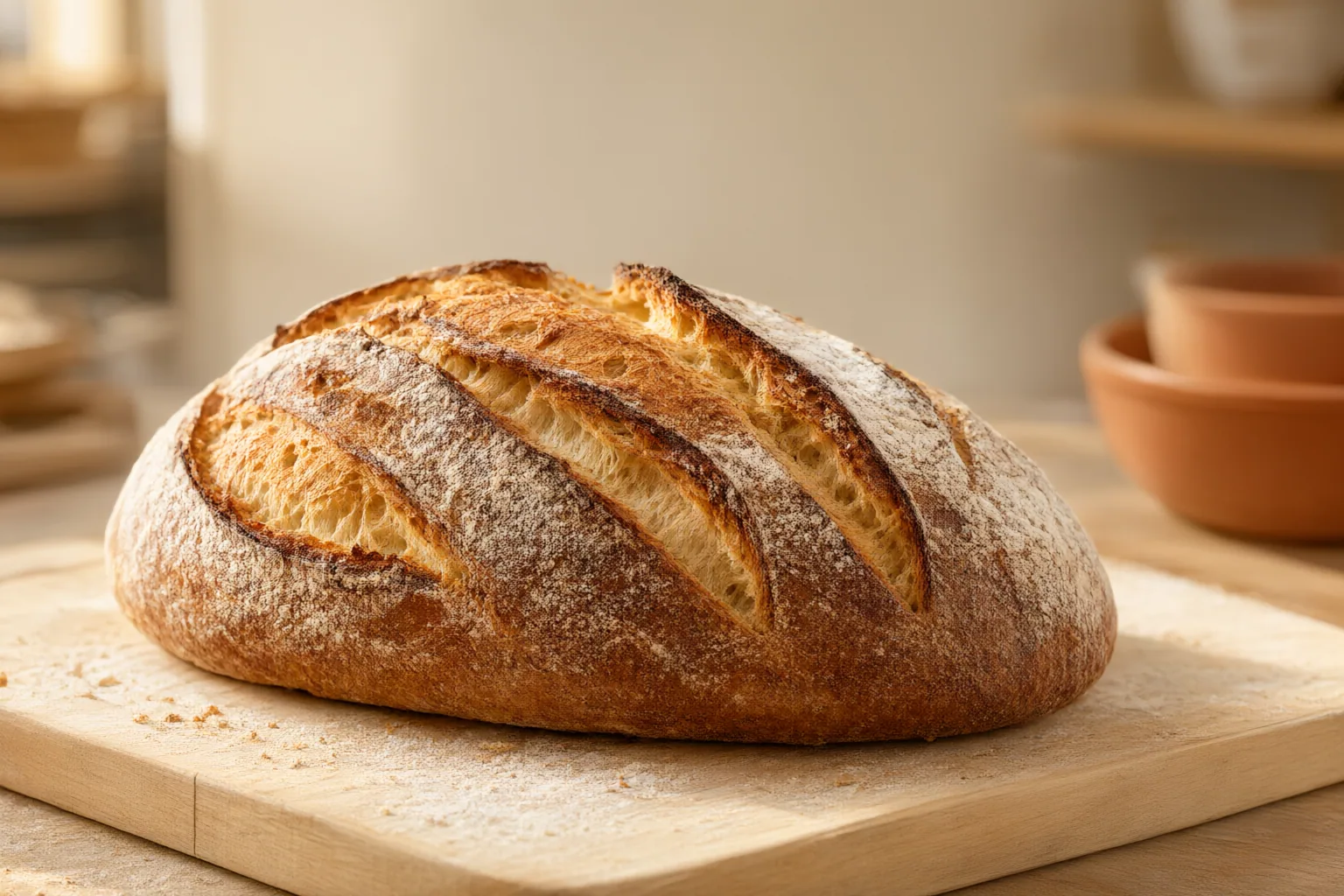
An unfamiliar bread name becomes easier to interpret when you read the bakery’s exact description, identify explicit flavor or filling terms, check its catalog category, and compare those details with what the product photo visibly shows.
Start With the Catalog Description
Begin with the wording printed in the catalog. First determine whether the listing identifies the item as a loaf, pastry, sandwich, dessert, or another bakery product. The surrounding category and nearby listings may provide useful context when the name alone is unclear.
Next, separate the product’s name from words that explicitly describe it. References to a filling, topping, glaze, fruit, cheese, spice, or flavor give you concrete details for comparison. For example, an explicitly named cheese or fruit is evidence that the bakery has identified that component. It does not establish any ingredients that the listing leaves unmentioned.
Keep the original catalog wording distinct from a translation, plain-language explanation, or inference. An explanation may make an unfamiliar term easier to understand, but it should not be treated as a new product claim. If the description does not answer an important question—such as whether the bread contains another filling—leave that point unresolved and ask bakery staff rather than guessing from the name.
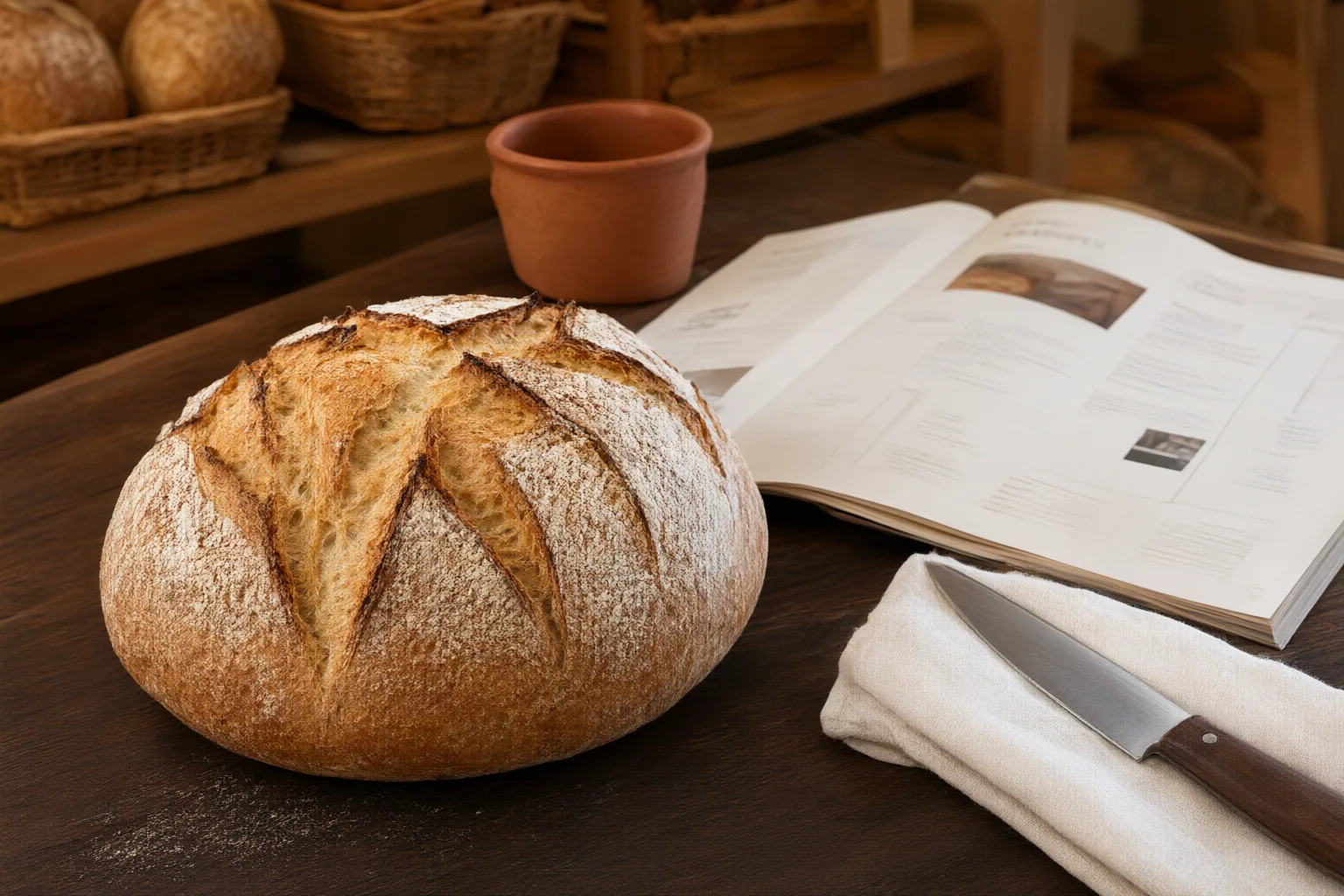
Use the Photo as a Visual Check
Use the product photo to check the description and compare visible characteristics. A picture may show whether an item is round or elongated, thin or thick, smooth or crusty, sliced or whole. Depending on the image, you may also be able to compare visible crumb, toppings, surface texture, or whether the product appears to be a loaf, individual pastry, or prepared item.
Treat these observations as visual evidence only. A photo cannot by itself confirm an ingredient that is not listed, a filling hidden inside the bread, allergen status, cross-contact risk, exact portion size, or how the item was prepared. Even an apparent topping should not be assigned a specific ingredient unless the catalog identifies it.
Descriptions and photos therefore serve different purposes. The description provides the bakery’s explicit wording, while the photo helps you assess visible form and structure. Read them together, but do not use appearance to fill gaps in the written information.

Compare the Name, Category, and Bread Structure
Bread names do not all describe the same kind of characteristic. A name may refer to flour, fermentation, shape, texture, cooking technique, regional tradition, or intended use. These dimensions can overlap: sourdough identifies a fermentation method, rye bread points to its flour, flatbread refers to shape, and baguette names a recognized loaf style. A familiar-sounding name is therefore only one part of the comparison.
Category context can clarify the general product type. If an unfamiliar item appears among pastries rather than loaves or sandwiches, that placement offers useful context, although it does not prove ingredients or preparation details. Explicit dietary markers and allergen flags can also identify what requires closer attention, but the bakery should confirm details relevant to a customer’s dietary needs.
Structural examples show why the name, description, and image should be considered together. The sources describe a baguette as having a crisp exterior and light interior, brioche as soft and slightly sweet, and ciabatta as having an open or irregular crumb. Items may look broadly similar in a small catalog image while differing in texture, structure, or function. Use those distinctions only when the listing or its supporting information actually identifies them; do not assign a bread type from appearance alone.
Conclusion
Apply the same check whenever a bread name is unfamiliar: read the exact name and description, note only explicitly stated flavors, fillings, toppings, or other components, and then review the catalog category and photo. Look for dietary or allergen markers without treating them as a substitute for complete ingredient and preparation information.
Keep anything unstated as an open question. A useful photo can narrow the possibilities, but it cannot safely resolve hidden ingredients, allergens, portions, or preparation methods. Use the catalog wording and image together to make a shortlist, then ask bakery staff to confirm any missing ingredient, allergen, portion, or preparation detail that matters before you choose.
Disclosures and limitations
- This article was prepared with AI assistance from the supplied third-party research sources; it does not rely on a verified Kampoeng Roti catalog or official brand-specific product information.
- No specific product or affiliate recommendation is made. Confirm current ingredients, allergens, portions, and preparation details directly with bakery staff.
Related reading
- Our Story: Bread for Everyday Moments
- How to Use Bread Texture Descriptions to Choose Soft, Chewy, or Crisp Bread
Sources
- How can I understand unfamiliar breads, pastries, fillings, and flavors on a bakery menu — seeat.ai
- Types of Bread: The Complete Guide for Restaurants, Bakeries & Food Businesses — Atlantic Restaurant & Supermarket Equipment
- 51 Types of Bread with Names, Features, Uses, and Pictures | Vocabish — Vocabish