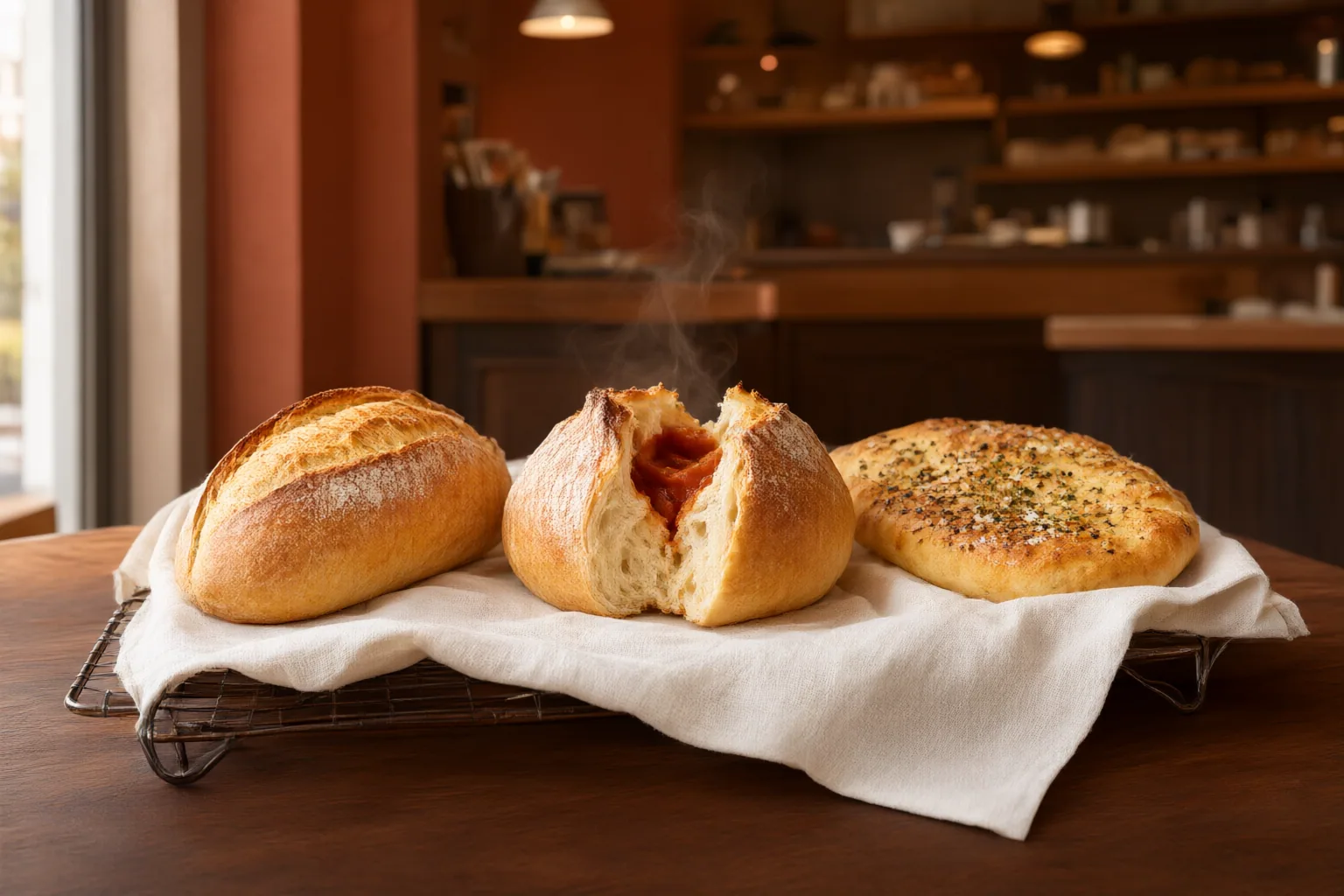
To reheat bread without drying it out, use gentle heat, add only enough moisture for the bread type, and check the center in short intervals. Plain, filled, and topped breads need different coverage, so identify the bread’s construction before choosing an oven, microwave, or skillet.
The Basic Method: Gentle Heat, Moisture, and Short Checks
Successful reheating depends on controlling heat, moisture, coverage, and time. High heat or prolonged heating can dry the outside before the center becomes warm, while excessive steam can soften a crust or make an exposed topping gummy.
Begin with low oven heat or reduced microwave power. Arrange portions evenly, especially in a microwave, and use short heating cycles rather than one long cycle. Rotate the bread between cycles when practical. Stop once it is warm; continued microwaving can make bread dry, rubbery, or unevenly heated.
Coverage can help retain moisture, but it should suit the bread. Loose foil works well when the crumb needs protection in an oven. A damp paper towel can provide moisture during a brief microwave cycle. After microwave heating, a short covered rest can let heat move toward a cooler center without continuing to expose the edges to active heat.
There is no universal reheating time. A slice, roll, filled bun, and whole loaf differ in size and construction, while appliances heat differently. Start conservatively and reassess before adding more time.
How to Reheat Plain Bread, Rolls, and Slices
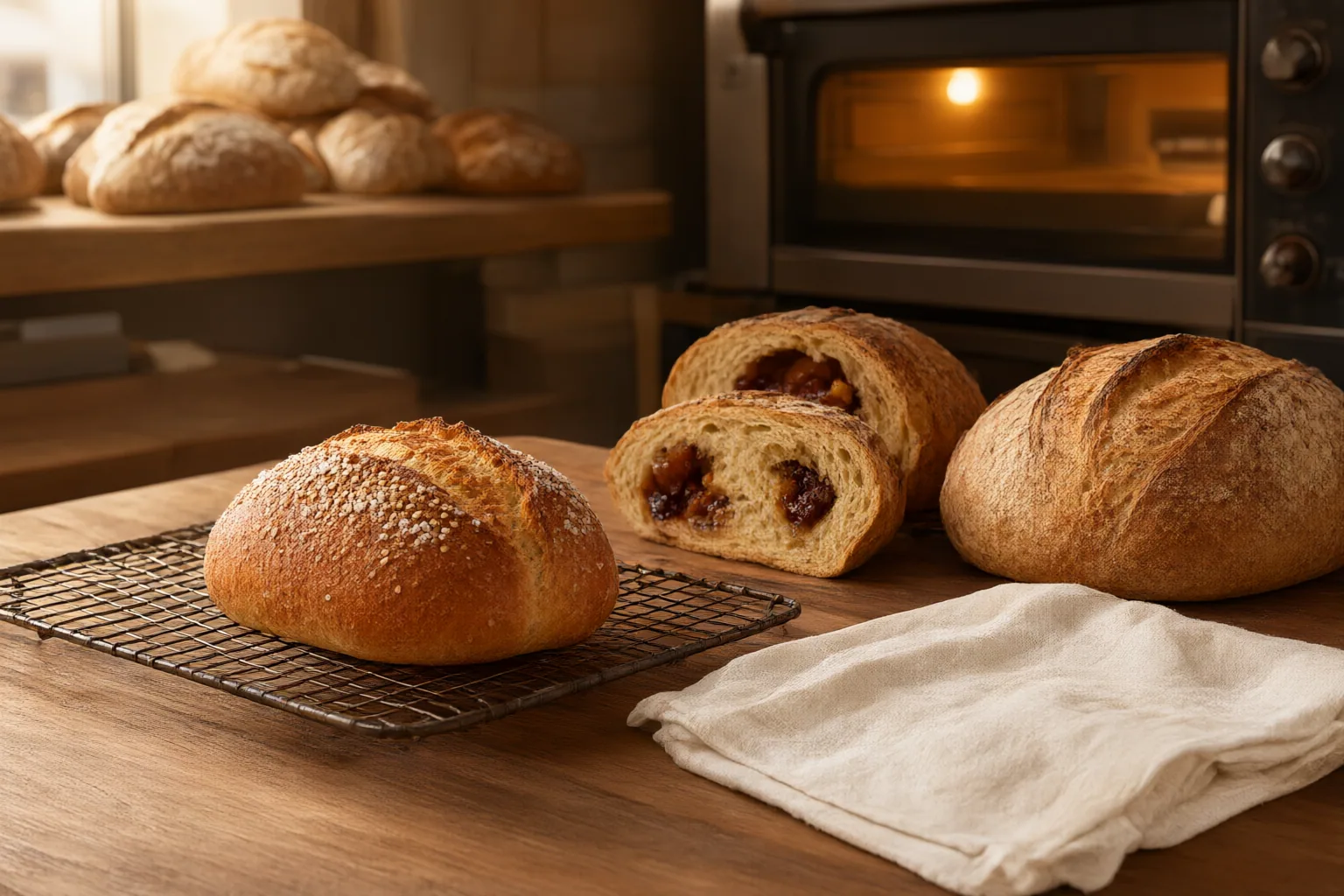
For plain bread, preheat the oven to approximately 300°F to 350°F (about 150°C to 175°C). Add a small amount of moisture and cover the bread loosely with foil so the surface does not dry before the middle warms. Portion size matters: slices and rolls need less time than a whole loaf.
As one practical reference point, a cited bread guide recommends warming rolls at 300°F under foil or in a covered dish for 5 to 8 minutes. Treat that as a starting example rather than a fixed rule, and check smaller or thinner pieces early. If you want a firmer or crisper exterior, keep the bread covered for most of the process, then open the foil near the end. This retains moisture first and firms the surface afterward.
For a faster microwave method, cover the bread with a damp paper towel and use reduced power or very short intervals. Check after every cycle and stop when it is warm. Extending the time to correct a cool center may overheat the edges.
A covered skillet over low heat is another controlled option for slices. Heat each side briefly while the lid retains steam, checking often to prevent the surface from becoming too dry or dark.
Filled and Topped Bread: Adjust Moisture and Coverage
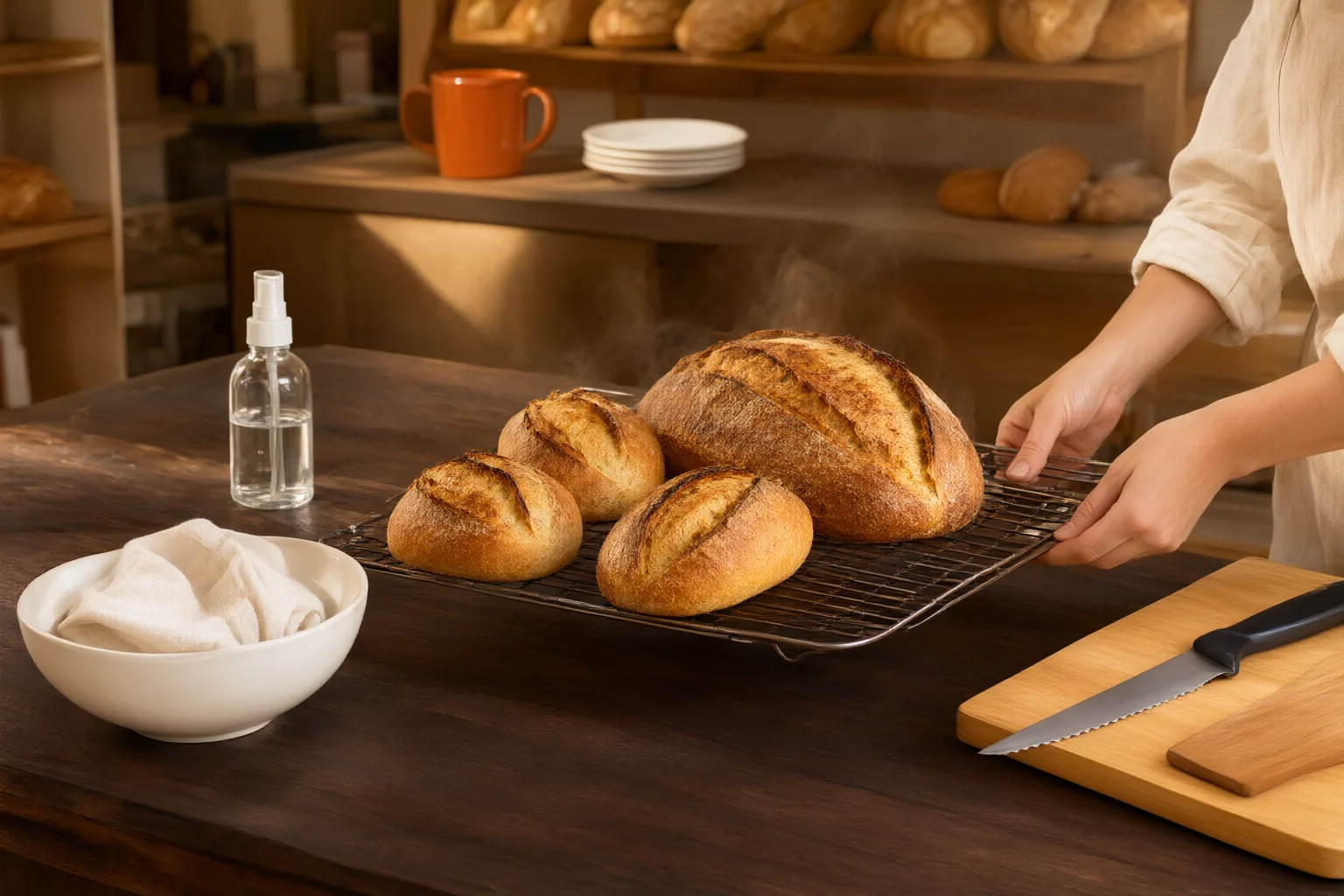
Filled and topped breads should not automatically receive the same treatment as plain bread. Their centers and surfaces can respond differently to moisture: steam may help a soft bun but harm a crisp or sugary topping.
For steamed or filled buns such as bao, one baked-goods source recommends wrapping or covering the portion with a damp paper towel during microwave reheating. The moisture imitates a steaming environment and helps protect softness. Use brief cycles, rotate the bread when practical, and allow a covered rest so residual heat can move toward the center. If the middle is still cool, add another short cycle instead of one long extension.
For bread or baked goods with exposed streusel or sugar toppings, leave the top uncovered so trapped steam does not make it gummy. Moisture can still be managed around the bread where appropriate, but avoid enclosing a surface meant to stay textured. For a frosted portion, the cited guidance advises removing the frosting before warming when possible and replacing it afterward.
These are general methods, not instructions verified for particular Kampoeng Roti products. Results can vary with portion size, appliance, filling, and topping, so inspect the bread and adjust coverage before reheating.
Conclusion
Classify the bread before reheating it: plain bread generally benefits from gentle heat and loose coverage, a moist filled bun may benefit from a damp paper towel, and an exposed sugar or streusel topping may need to remain uncovered. Use moisture only where it helps, protect the crumb from prolonged heat, and check the center before increasing the heating time. Start with the shortest suitable interval, reassess the texture and warmth, and continue only in small increments.
Disclosures and limitations
- This article was prepared with AI assistance using the supplied secondary research sources; no products were personally tested or used.
- Reheating results vary by portion, appliance, filling, and topping. This general guidance is not verified for specific Kampoeng Roti products and contains no affiliate product recommendations.
Related reading
Sources
- Preserve Moisture: How to Reheat Food without Drying It Out – Reheated.org — Reheated
- How to Reheat Baked Goods Without Drying Them Out — Let's Foodie
- How to Reheat Food in a Microwave Without Drying It Out — Reality Pathing
- How to Reheat Bread Without Drying It Out: Best Methods for Soft, Fresh Results — Academy of Chocolate
- How to Reheat Meal-Prepped Food Without Drying It Out — Consillar
- How to Reheat Bread in the Oven and Enjoy Freshness Again – Reheated.org — Reheated