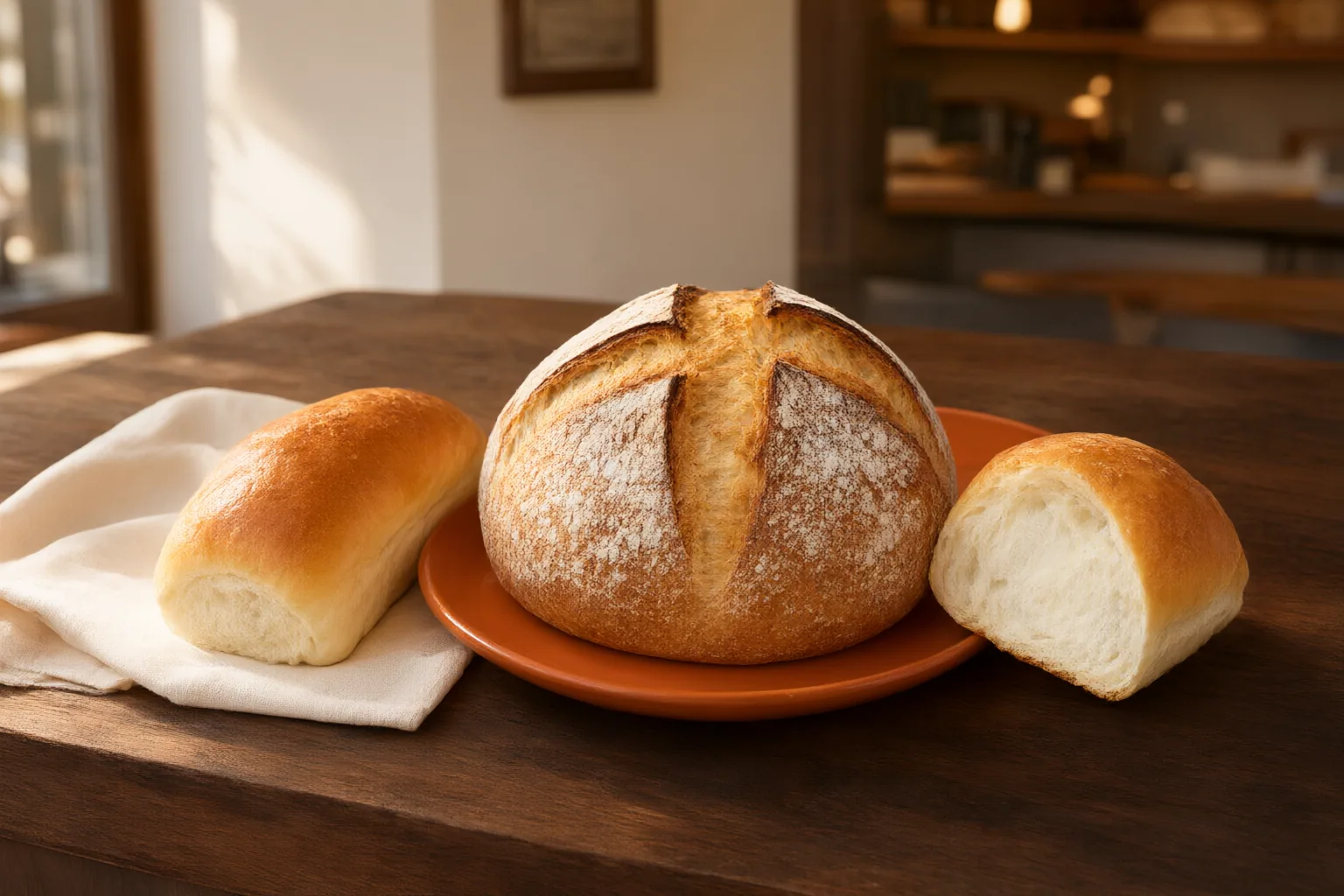
Use a product code only when the same complete identifier is clearly visible in both the catalog listing and the outlet display. Compare every character and the nearby product wording; if anything is missing or inconsistent, ask outlet staff to confirm the bread.
Start with the Exact Code in the Catalog
Begin by finding the full product code printed beside the catalog listing. Record every visible letter, number, space, and separator exactly as shown. Do not interpret individual digits or assume that part of the code describes a flavor, size, or product category.
Product identifiers can help distinguish items that look alike, but their value comes from an exact comparison. General labeling guidance recognizes product IDs as inventory-control information, while retail code systems also show that identifiers may appear on labels, tags, bands, or signs. This makes the printed identifier a more useful starting point than color, shape, topping, or packaging alone.
Also note the product wording printed next to the catalog code. The name can provide a secondary comparison at the outlet, but it should not replace the code. Catalog photographs and visual resemblance are not enough to establish that two breads are the same item.
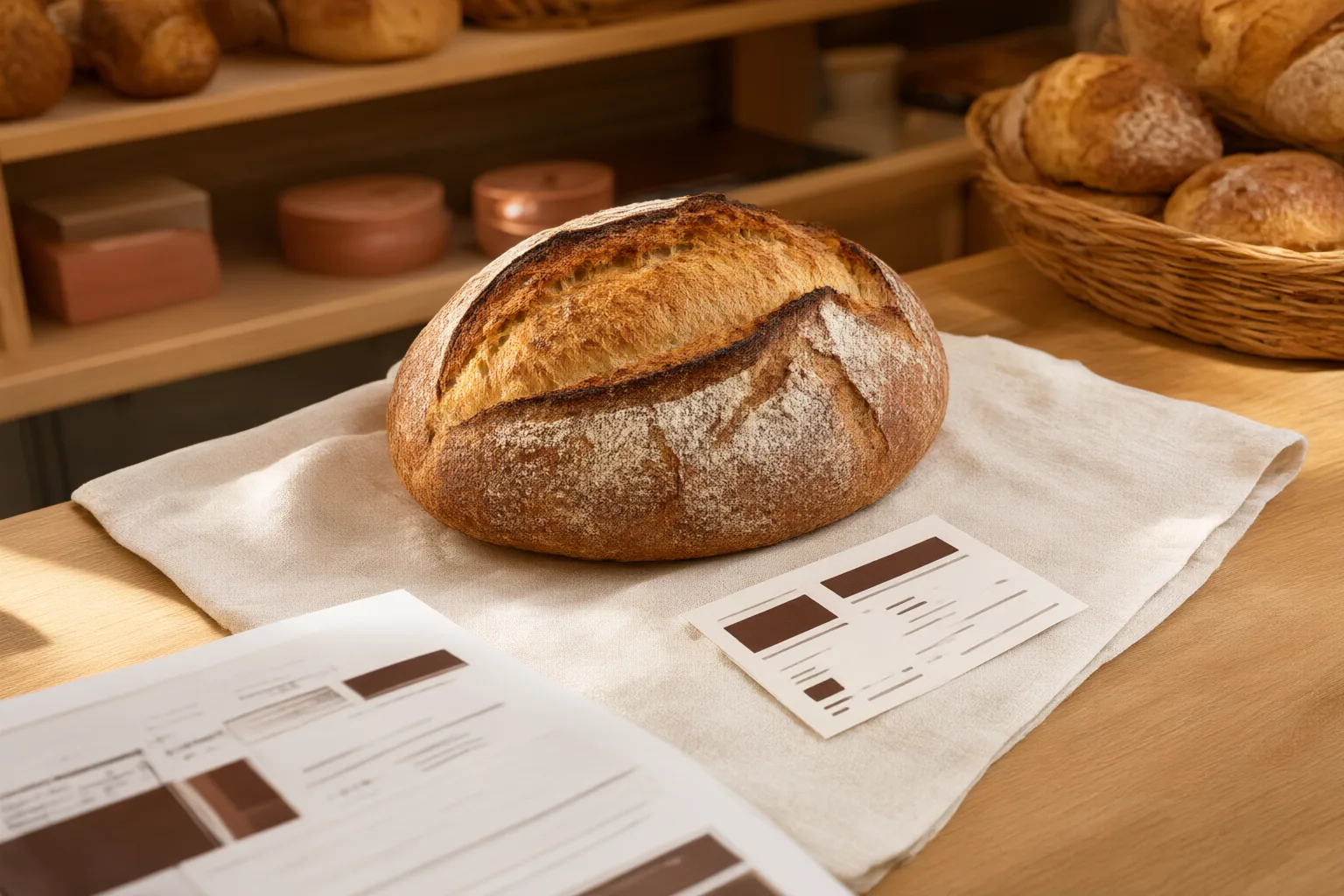
Compare the Code with the Outlet Label
At the outlet, look for an identifier on the display label, shelf sign, product tag, or other information placed beside the bread. Then compare it with the catalog code character by character. Check the beginning, middle, and end rather than relying on a few matching digits. Compare the nearby product name or description as an additional check.
A label must be visible and readable for this process to work. General inventory-label guidance says product IDs should remain visible during handling, scanning, and storage. It also emphasizes adequate space and contrast for identifying information. A code partly hidden by a tray, packaging, another sign, glare, or small print cannot support a dependable match.
When several breads look similar, keep each display label associated with its own tray or position. Avoid using appearance to bridge a gap between a catalog listing and an unclear outlet label. If the complete code and adjacent wording agree, the available printed information supports the comparison.
Handle Missing, Unreadable, or Different Codes
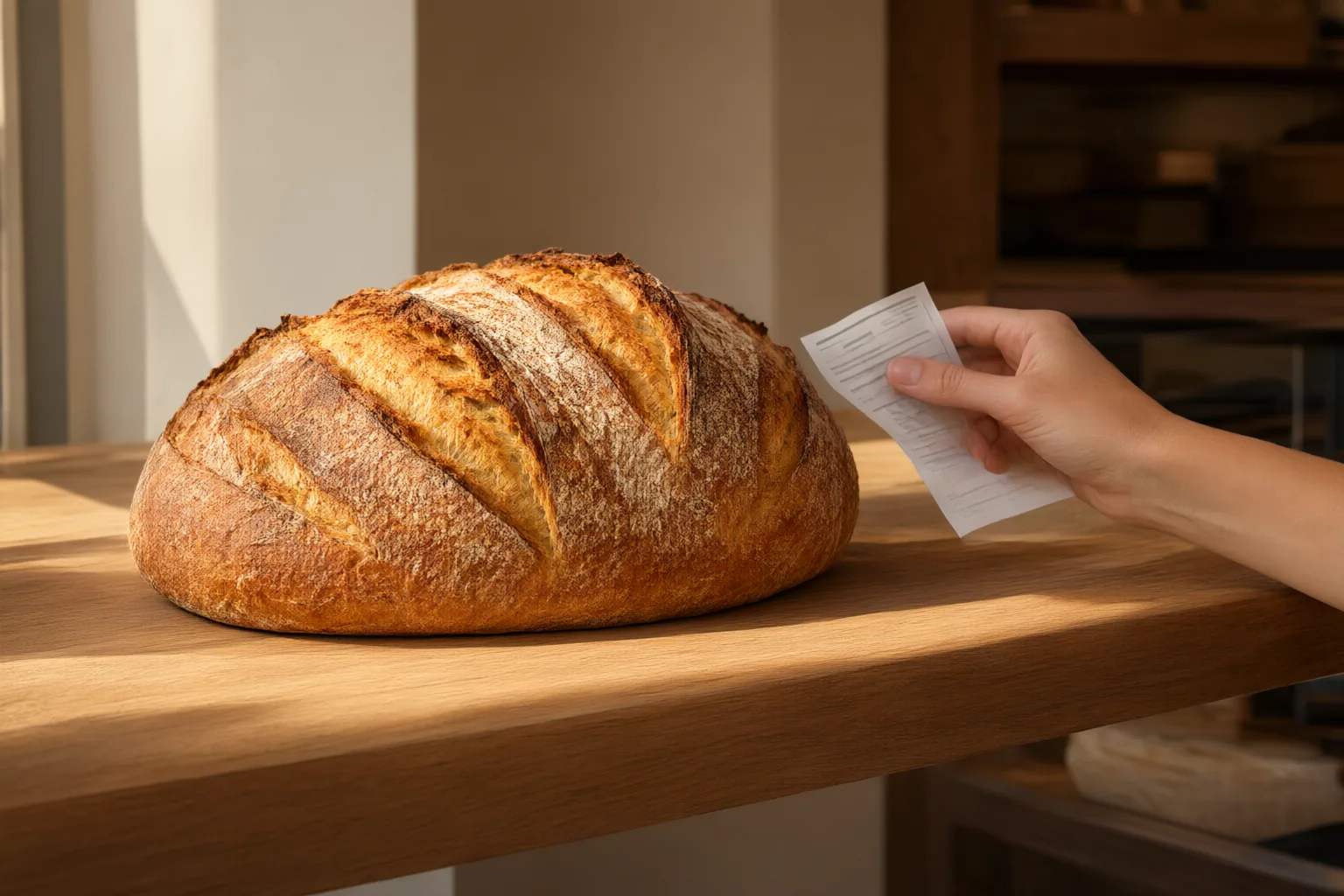
Do not infer a match when the outlet code is absent, obscured, unreadable, or different from the catalog identifier. A partial match is also inconclusive: two items may share some characters without being the same listing. Recheck that you are reading the label attached to the correct display, then ask outlet staff to confirm the item if the discrepancy remains.
Generic retail code conventions cannot resolve the uncertainty. The supplied overview of price look-up codes concerns bulk produce, not bakery products. It also explains that some ranges may be assigned by an individual retailer or location. A code’s meaning can therefore depend on the organization using it.
For that reason, do not decode a Kampoeng Roti label using assumptions drawn from unrelated PLU systems. The available sources do not establish Kampoeng Roti’s code format or matching procedure. Treat the identical, fully visible printed code as a comparison tool—not as proof of ingredients, price, availability, or other details that are not printed and confirmed.
Conclusion
The safest matching rule is straightforward: use a product code only when the same complete identifier is clearly visible in both the Kampoeng Roti catalog listing and the outlet display. Read every character, verify that the label belongs to the bread in front of it, and compare the accompanying product wording.
This method applies general principles about visible product IDs and organization-dependent retail codes. It does not establish an official Kampoeng Roti coding convention, because the available sources do not document one. A clear match can help identify the corresponding listing, but it should not be extended into unsupported assumptions about the product.
Before choosing a bread, compare the complete printed codes and product details in both places. If a code is missing, difficult to read, or inconsistent—or if similar breads make the label association unclear—ask outlet staff to confirm the item.
Disclosures and limitations
- This article was prepared with AI assistance and is based only on the two supplied sources about general inventory labeling and produce PLU practices.
- The sources do not document an official Kampoeng Roti product-code system, catalog, or outlet procedure; no product recommendation or affiliate claim is made.
Related reading
- Explore Kampoeng Roti Products
- What to Check When a Kampoeng Roti Product Photo and Description Do Not Match
Sources
- Shipping, Logistics & Inventory Control Labels — NADCO Tapes & Labels, LLC
- Price look-up code – Wikipedia — en.wikipedia.org