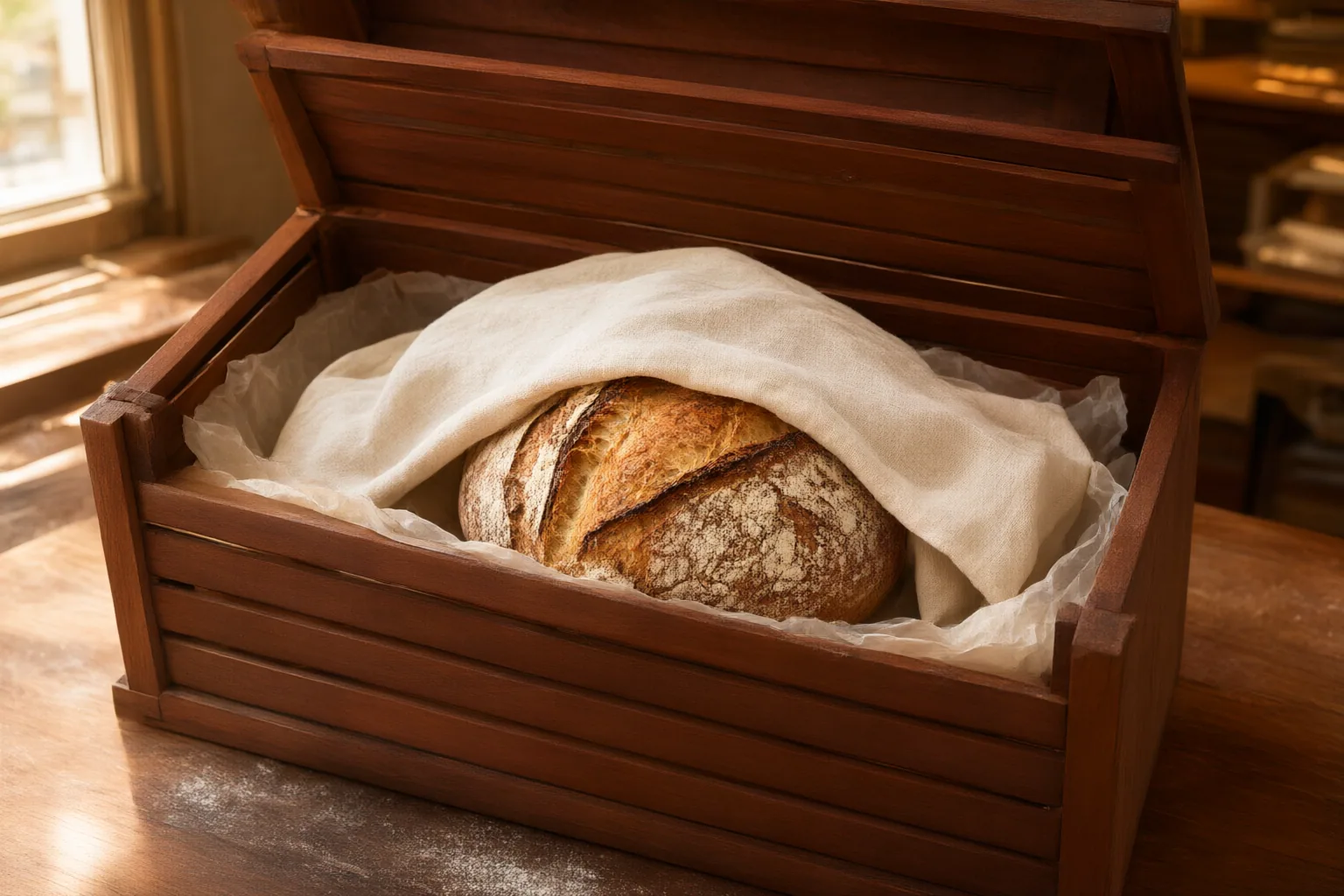
To move bakery bread without crushing it, carry the loaf in a container matched to its size — supportive but never squeezing — wrapped in breathable material such as waxed paper or an insulated bag, with any stacked items kept stable so nothing shifts or drops in transit.
Why Bread Gets Damaged on the Way Home
Bread is soft and fragile, so it is easy to damage on a simple ride home. Compare Factory notes that bread can be crushed during transportation, which is why supportive containers matter. Two risks do most of the damage. The first is pressure: a loaf carried without support, or squeezed into a container that is too small, gets flattened. The second is moisture: freshly baked bread is warm, and without air circulation moisture builds up and the loaf turns soggy, while loose or missing wrapping lets it go stale sooner. The most common worries — loaves crushed or squeezed when simply placed in a vehicle, and bread arriving stale or soggy instead of fresh — both come down to container choice and wrapping.
Choosing the Right Container: Crates, Bags, and Boxes
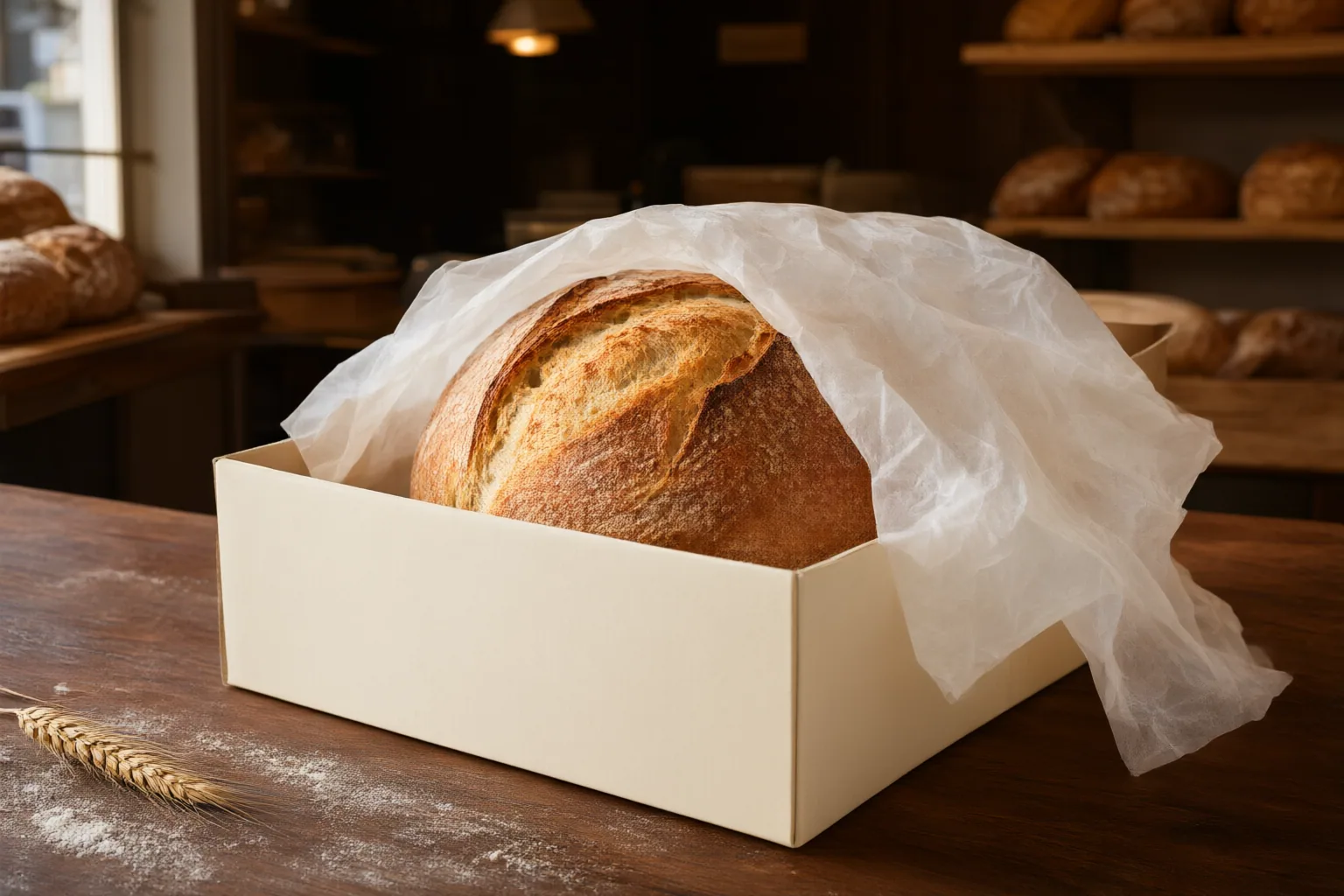
The container does the heavy lifting, so match it to the loaf. Compare Factory recommends bread crates that provide ample support to prevent crushing while allowing air circulation, and advises matching crate size to loaf size so the bread fits without being squeezed; some crates have handles so the loaf is not accidentally pressed during moving. Packaging adds an extra layer of protection against contaminants and helps bread avoid going stale. Insulated bags or boxes are suggested because they let the bread breathe while protecting it from being crushed, and double-wrapping adds another protective layer. Bakeries solve the same problem with purpose-built equipment: Drader states that its bread carriers are made of high-density polyethylene (HDPE), use stack-and-nest functionality with a 3-to-1 stacking ratio, and stack securely when loaded to reduce product damage. The vendor lists carrier heights from 5 1/8 to 5 7/16 inches and widths from 23 3/8 to 29 3/4 inches, sized for bread, rolls, or specialty baked goods. These are commercial vendor claims, but they show the principle that works at any scale: give each loaf its own sized, supported space.
Keeping Bread Fresh and Warm in Transit
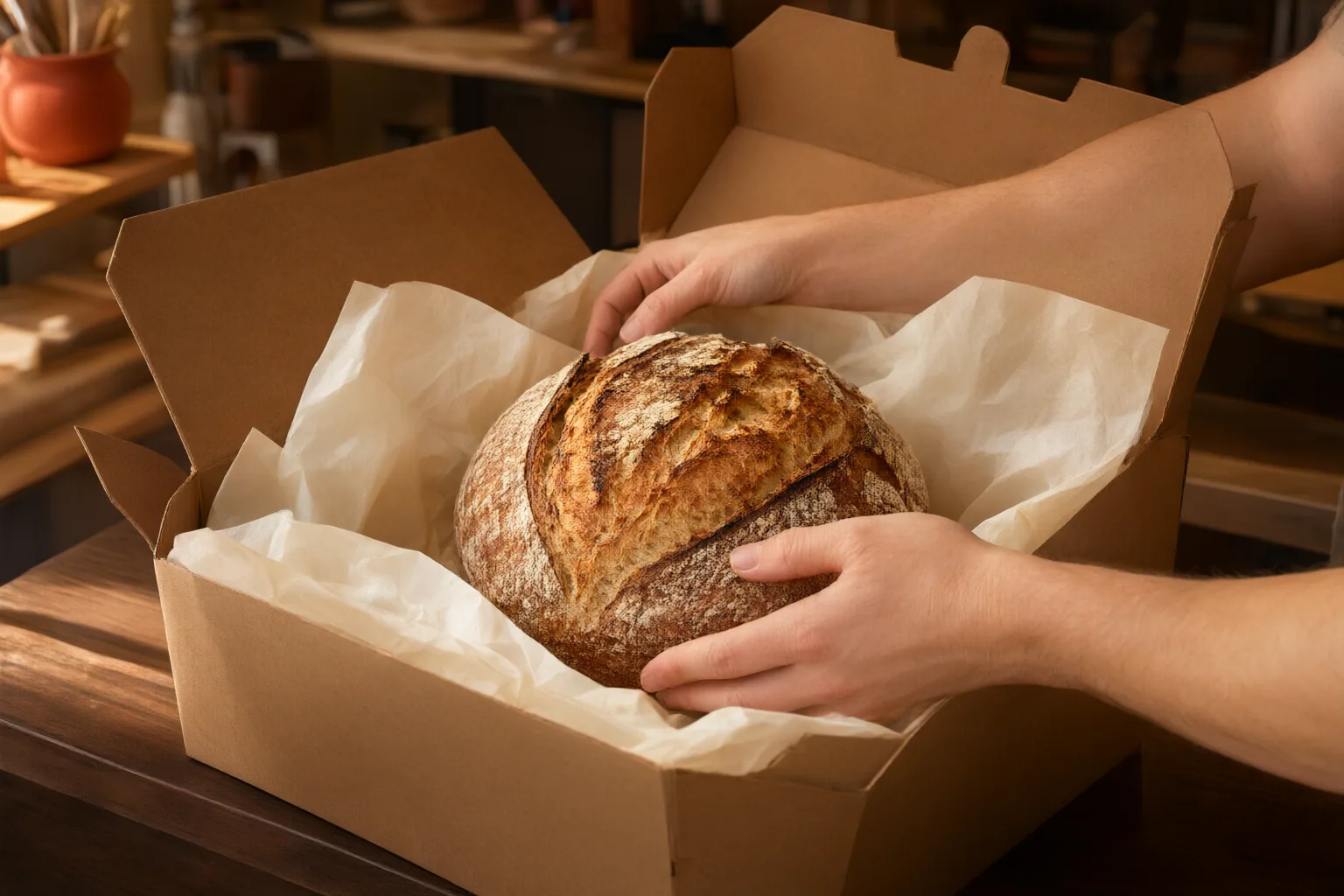
Wrapping controls moisture and heat. Compare Factory recommends waxed paper for keeping bread warm, because the material retains heat while remaining breathable and preventing sogginess. For hard-crusted loaves, it suggests a damp cloth over the bread to keep the crust from becoming too brittle. Be realistic about timing: bread stays warm only for a limited transport time, so plan a direct trip if warmth matters. Handling matters as much as wrapping when you carry several items. Solo Products, an equipment vendor, states that manually lifting or pushing unstable trays can lead to dropped products, slowed service, and workplace strain, and that fitted dollies let trays stack securely without tipping; its bakery tray dollies are described as fitting standard trays with smooth-rolling casters that keep stacked products stable. For topped or filled breads, the cited sources address loaves rather than loose toppings, so treat this as general guidance: keep topped bread upright, nestle loaves so they support each other without pressing, and pad gaps with breathable material so toppings stay in place.
Conclusion
Keeping bakery bread intact comes down to three habits. Match the container to the loaf so it is supported but not squeezed, whether that is a crate, an insulated bag, or a box. Wrap for breathability and warmth — waxed paper for heat, a damp cloth for hard crusts — and remember that warmth lasts only a limited time. Finally, keep anything stacked stable so it cannot tip or drop. Before your next bakery run, pick a container that matches your loaf's size and pack the bread so it is supported but not squeezed — then enjoy your bread the way it left the shop.
Disclosures and limitations
- This article was created with AI assistance from a research package of browser-acquired sources; all material claims are attributed to the cited source IDs, and vendor statements from Drader and Solo Products are reported as vendor claims rather than independently tested facts.
- Commercial vendor pages are cited for context, including vendor-listed prices for bakery equipment; this article makes no purchase recommendations, and readers should note that vendor sites sell the products described and that any shopping links handled downstream may carry commercial or affiliate relationships.
Related reading
- Practical Bread Tips and Safe Access Guides
- How to Check Whether a Store Accepts Your Preferred Payment Method Before You Buy
Sources
- Crumb-Free Handling: The Complete Guide to Transporting Your Baked Goods | Compare Factory — Compare Factory
- Bread Tray Dollies | Bakery Tray Transport Solutions — Solo Products and Containers
- Bakery Bread Trays | Stackable Bread Tray | Drader Manufacturing — drader.com