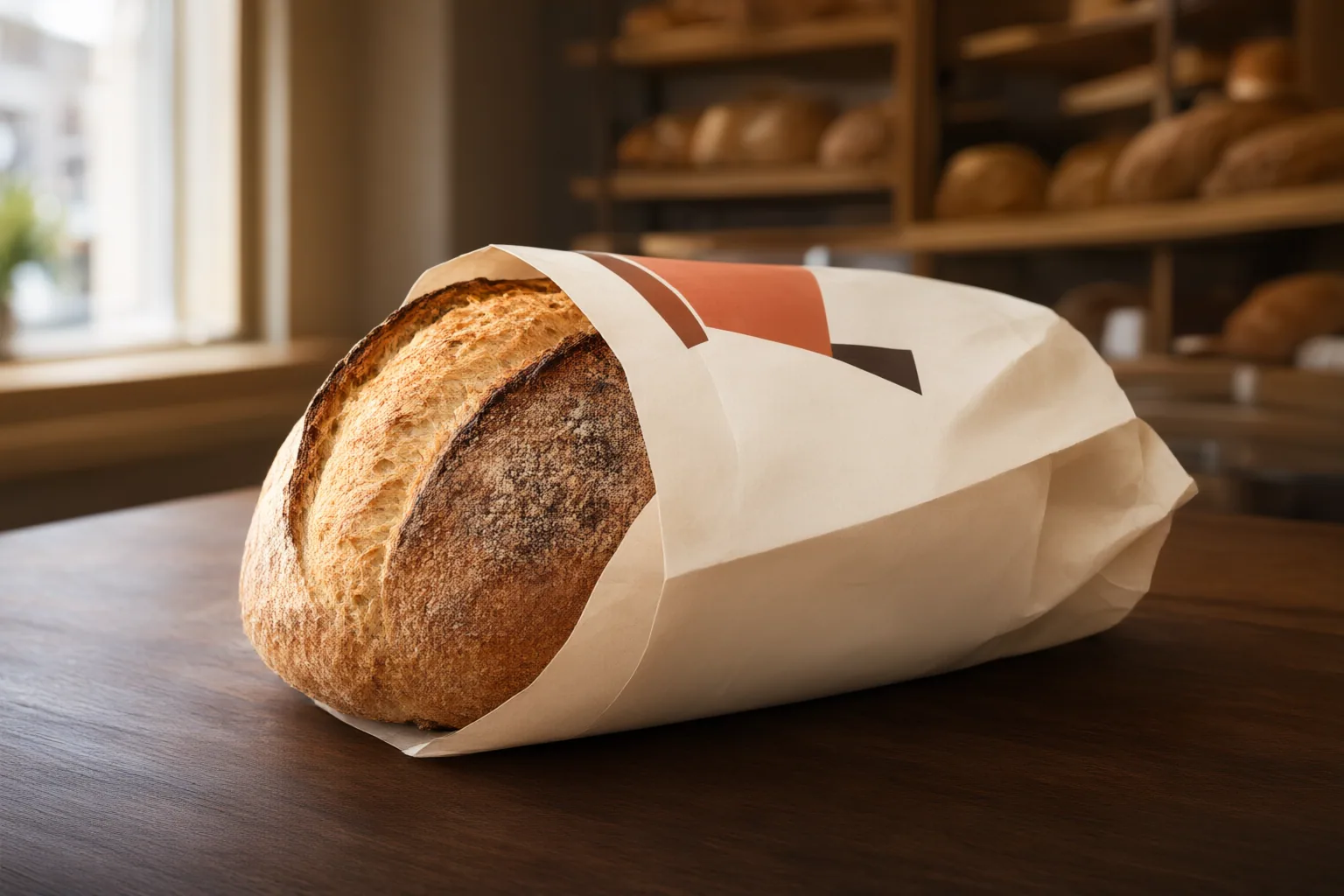
A hard-to-read label prevents reliable checks of ingredients, possible allergens, nutrition information, and other package details. Read only what is clearly printed, avoid filling gaps with assumptions, and pause the purchase when information important to your decision cannot be verified.
Why Label Legibility Matters When Choosing Packaged Bread
A label is useful only when its information can be read confidently. One consumer guide says packaged-food labels may contain serving information, nutrient values, sugar and fat amounts, composition, an expiration date, registration information, and the company address. A separate review of a packaged biscuit reported that its composition and nutrition text were nearly unreadable, showing how poor print can obstruct otherwise important checks.
Shopping conditions can make the problem worse. Consumers may skip labels because they do not understand them, have limited time, or are distracted by packaging design and new product variants. However, unclear text is particularly important when someone needs to examine the ingredient list for possible allergens. If the relevant wording cannot be read, the package does not provide enough visible evidence for a confident decision.
These sources concern packaged foods generally and one biscuit product. They do not establish the label quality, ingredients, allergens, certifications, or safety of any Kampoeng Roti product.
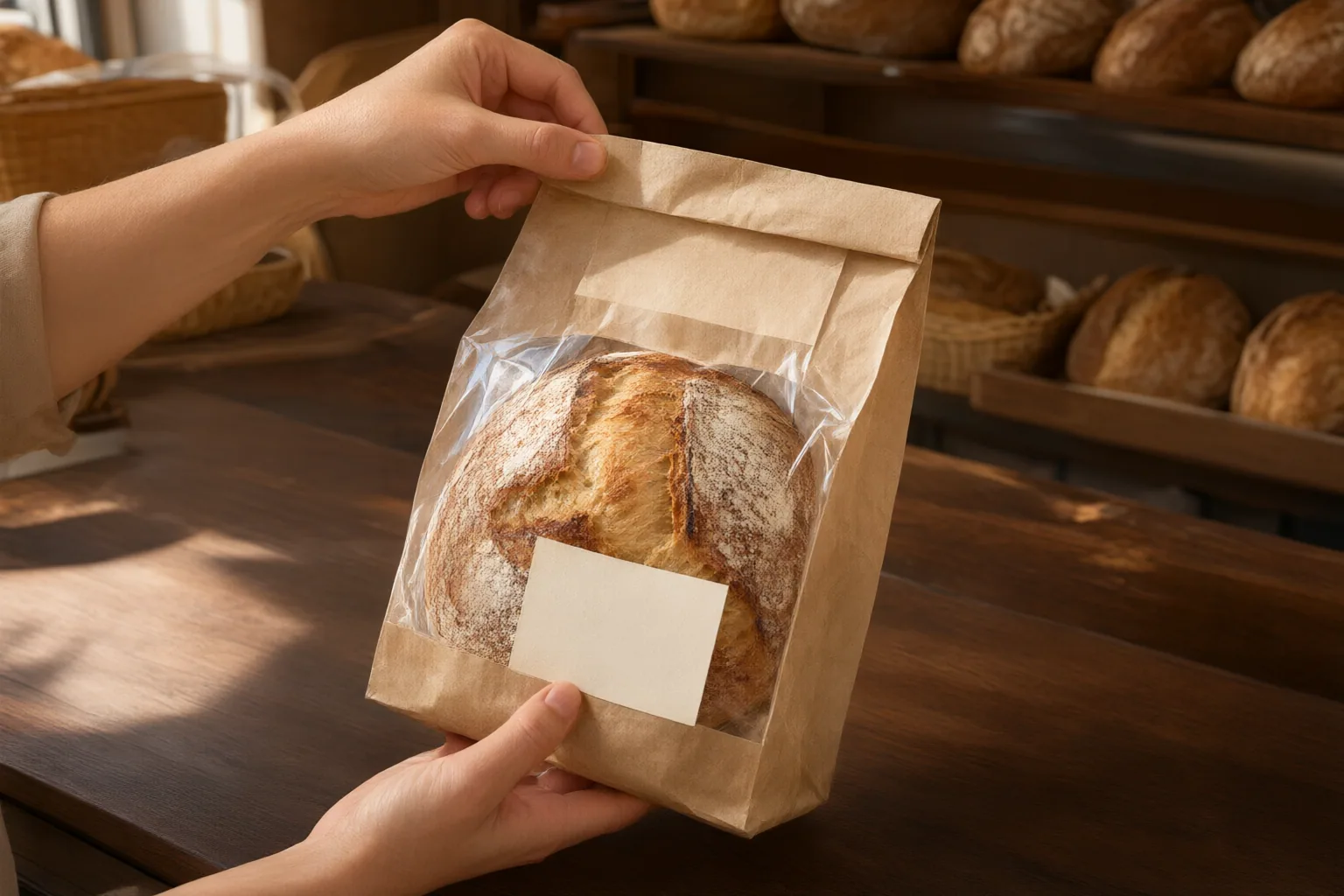
Which Package Details to Check First
Start with the information most relevant to your own decision rather than trying to decode the entire package at once.
- Ingredient list: Check whether the composition is fully legible, especially if you are looking for ingredients associated with possible allergens.
- Serving and nutrition information: Look for the stated number of servings and any readable nutrient, sugar, or fat information. Do not treat an unclear number as an estimate.
- Net weight: Confirm that the printed quantity can be identified without guessing.
- Date information: Look for the printed expiration date and make sure the characters are readable.
- Registration and company details: Check any registration information and company address shown on the package.
- Other displayed details: Certification or similar markings may appear on some products, but their presence and meaning must be verified from the specific package rather than assumed.
The sources identify these as examples of information consumers may encounter on packaged foods; they do not supply facts for a particular packaged bread. A familiar brand name, package design, or similar-looking product is therefore not evidence of a product’s ingredients, allergen status, nutrition, registration, certification, or date. Base the check on the exact package being considered and on text that is clear enough to read.
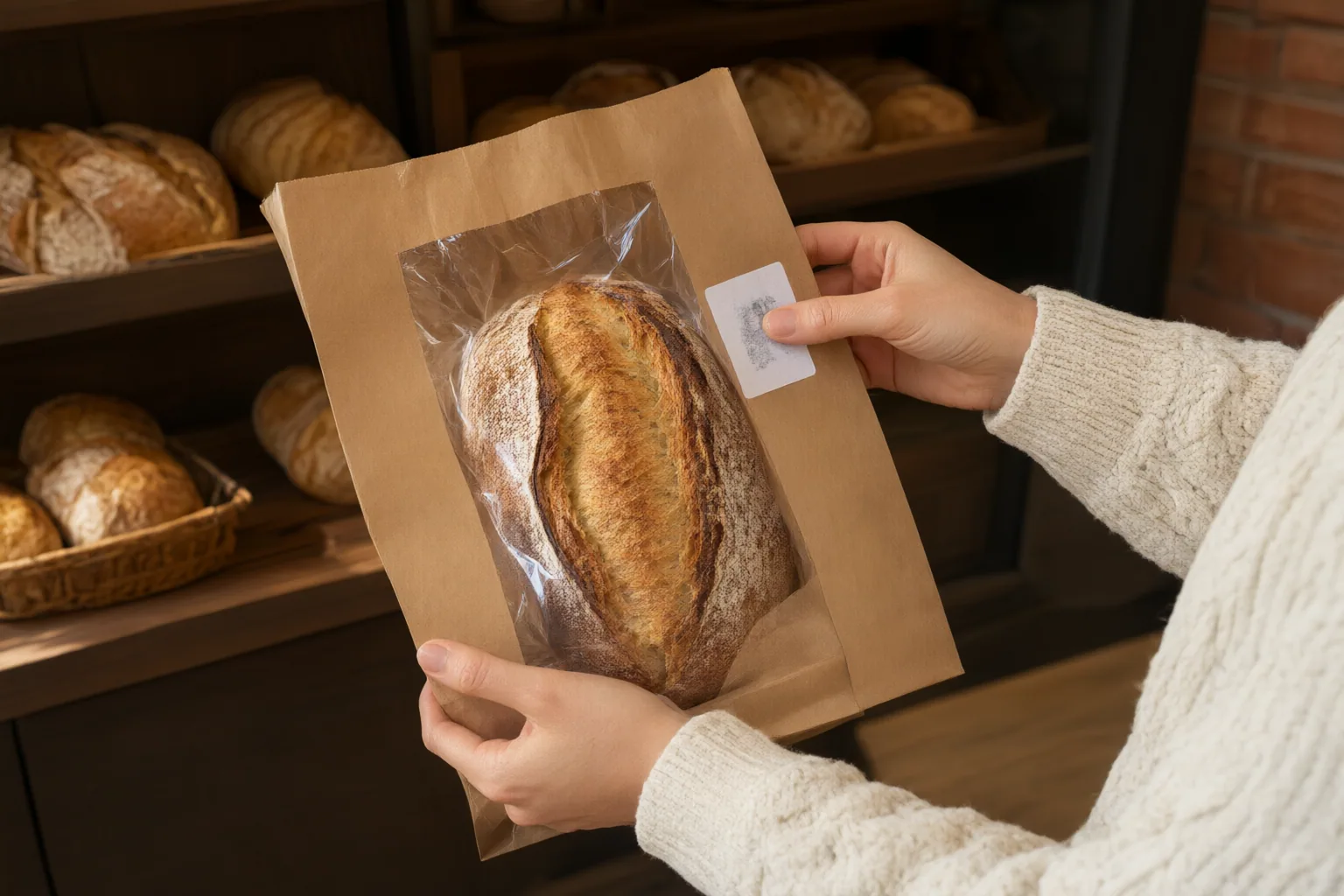
What to Do When Important Text Cannot Be Read
Separate readable facts from unresolved details. If the net weight is clear but the ingredient list is not, the weight can be noted while the composition remains unknown. Do not reconstruct blurred words, infer a missing value, or borrow information from a similar product. The cited biscuit review demonstrates that a package may show identifiable details while leaving composition and nutrition print difficult to extract confidently.
Next, decide whether the unreadable field matters to your choice. Ingredients deserve particular attention when checking for possible allergens, while serving information, nutrition text, dates, registration information, and company details may also affect what you want to verify. If a material field remains unreadable, treat it as unverified—not as absent, acceptable, or equivalent to another product.
A cautious response is to pause and seek the same product in packaging with clearer print or consult another verifiable source that clearly identifies the product and the relevant information. If that verification is unavailable, choose an option whose important details can be read. This approach does not determine whether the food is safe; it prevents an unclear label from being converted into an unsupported conclusion.
Conclusion
Use a simple decision rule: identify the package fields that matter to you, confirm that they are legible, and distinguish verified text from information you cannot read. Pay particular attention to the ingredient list when checking for possible allergens, along with serving information, nutrition text, net weight, dates, registration information, and company details.
Before buying packaged bread, inspect the exact package. If an essential ingredient or possible allergen detail cannot be verified, pause the purchase and look for a clearer package or another source that provides verifiable information.
Disclosures and limitations
- This article was prepared with AI assistance from the supplied research package. Its evidence comes from Hujanpelangi Blog and an IntanPermatasari.com packaged-biscuit review; neither source establishes facts about a specific Kampoeng Roti product.
- No specific product or affiliate offer is recommended here. If commercial or affiliate links are added later, that relationship should be disclosed clearly and should not be treated as evidence about product ingredients, allergens, safety, or label quality.
Related reading
Sources
- Panduan Lengkap Cara Pendaftaran Perusahaan Pangan Olahan Untuk E-Registration BPOM – Magfood — Magfood
- PT Agritama Sinergi Inovasi (AGAVI) | LinkedIn — linkedin.com
- IntanPermatasari.com — intanpermatasari.com
- Cara Memilih Pangan Dengan Membaca Label Kemasan | Hujanpelangi Blog — Hujanpelangi Blog
- Frequently Asked Questions (FAQs) – Pura Indonesia – Pura Indonesia — puraindonesia.com
- Sitemap – PERGIZI PANGAN Indonesia — PERGIZI PANGAN Indonesia
- Panduan Lengkap Memenuhi Kebutuhan Nutrisi Harian Secara Seimbang – etcrunch.com — etcrunch.com
- Cara Membaca Label Gizi Benar – Slot Fixed Satta Number — Slot Fixed Satta Number – Slot Fixed Satta Number
- Flynn Mart — Flynn Mart
- – YouTube — youtube.com