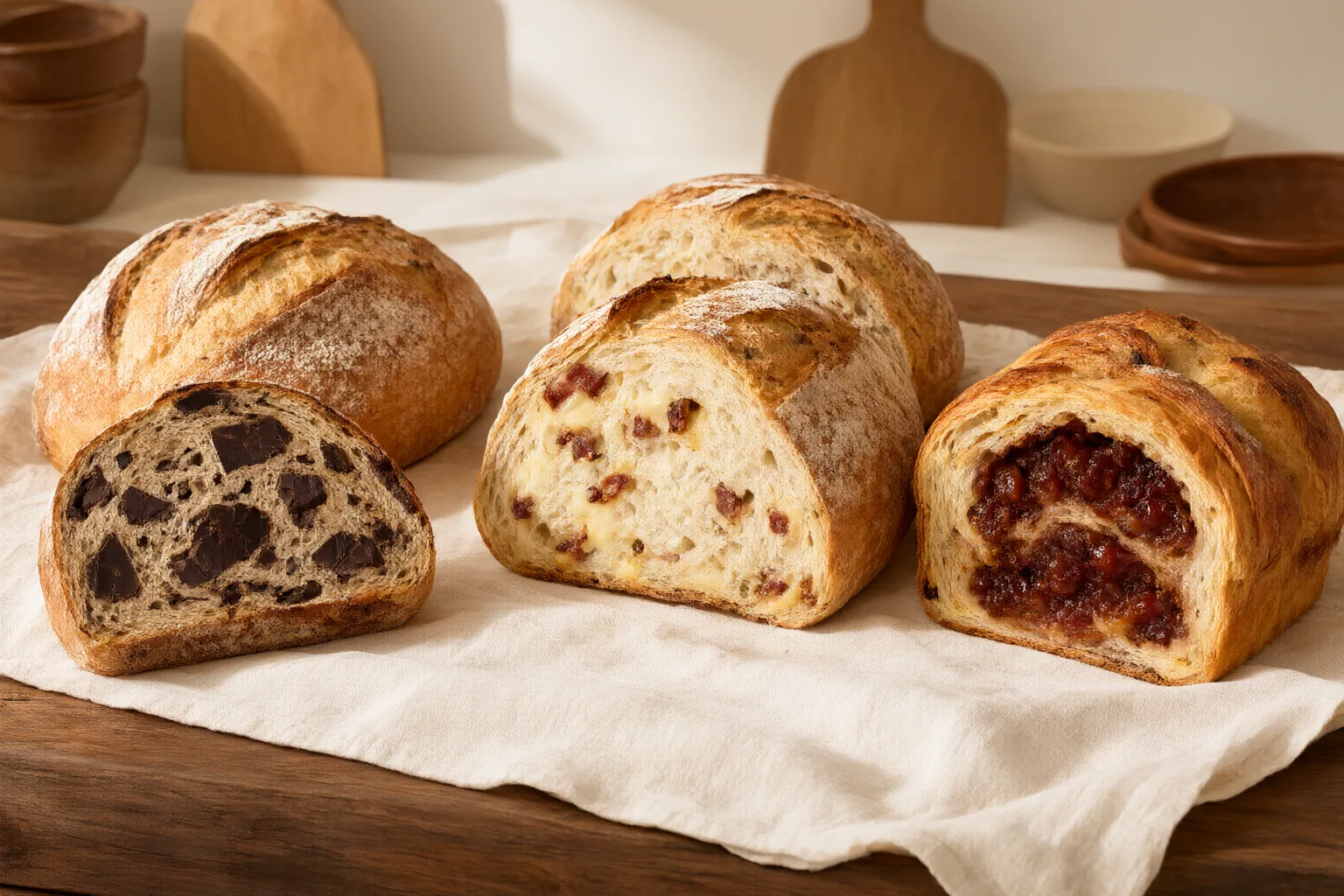
Bread names and short catalog descriptions can highlight fruit, chocolate, cheese, or meat-based components, but they are only starting clues. When the exact composition or allergen profile matters, check the ingredient and allergen information or ask the bakery for clarification.
What Catalog Names and Descriptions Can Indicate
A product name or catalog description can help you identify the component or flavor being emphasized. Words such as “fruit,” “chocolate,” “cheese,” or “meat” may place a product in a useful category and help narrow a catalog search.
Names can carry different levels of meaning, however. The FDA explains that a formal Standard of Identity may specify required or optional ingredients, proportions, and sometimes production methods. That principle should not be applied automatically to every informal bakery name, and the cited FDA material describes the US context rather than Indonesian rules.
A short bread description also should not be treated as a complete composition statement. It may emphasize one characteristic while leaving other ingredients unstated. Use the name to form an initial impression, then seek more detailed information before making a decision that depends on exact contents.
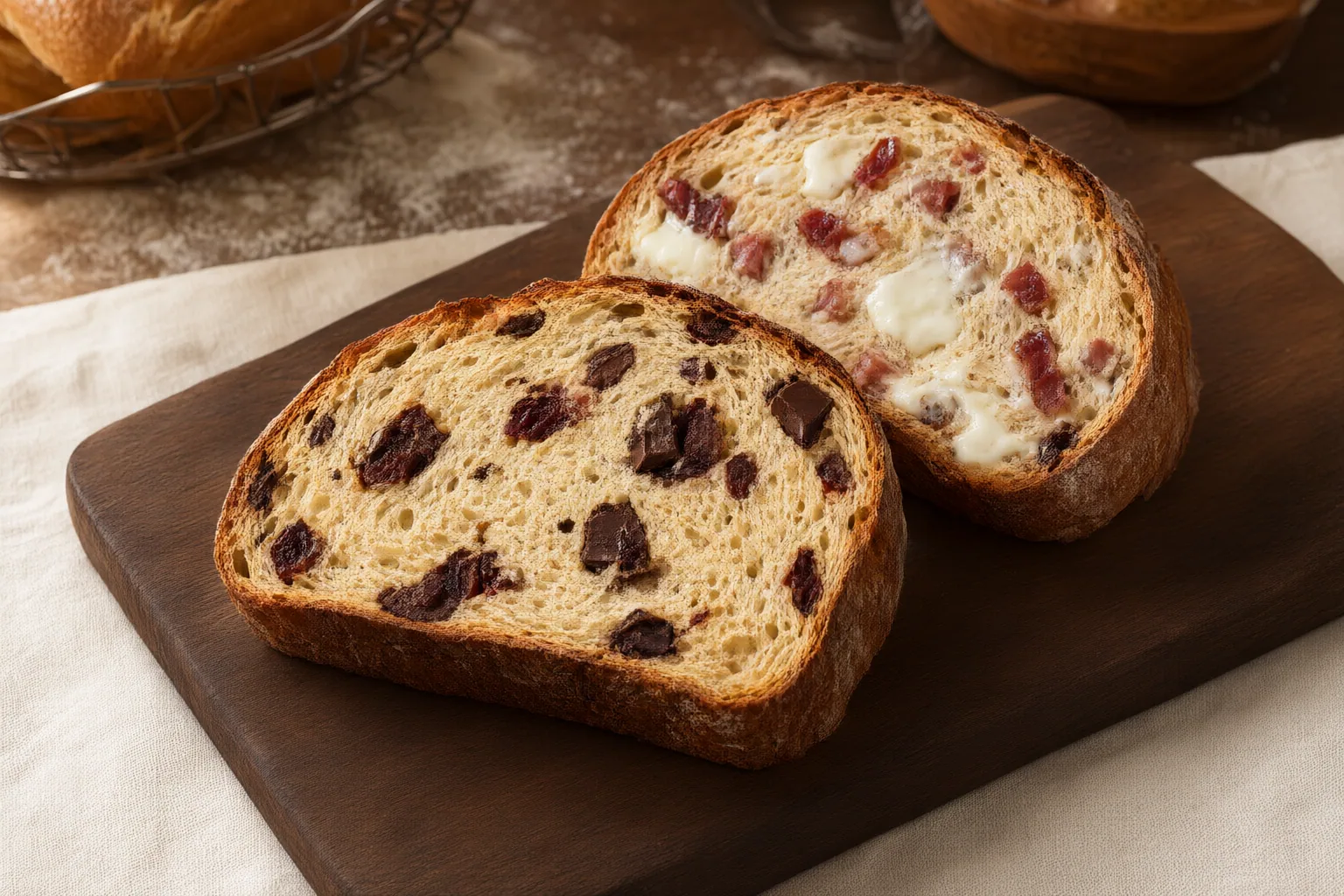
How to Read Fruit, Chocolate, Cheese, and Meat Descriptors
Start by identifying exactly what the catalog states. A description might name a component or characterize a product as a flavored variety. Do not turn that wording into a more specific claim about a filling, topping, ingredient form, quantity, or recipe unless the description supplies those details.
Codex food categories illustrate why this distinction matters. Its excerpt separates plain processed cheese from flavored processed cheese and says that flavored varieties may contain fruit, vegetables, meat, or other components. It also lists chocolate milk and cocoa as examples of flavored dairy drinks. These examples show how descriptors can identify a broad category, but they do not establish the complete composition of another food such as bread.
Apply the same discipline to catalog browsing: treat fruit, chocolate, cheese, or meat wording as a clue about the highlighted characteristic. Look separately for an ingredient list or allergen statement before concluding what the bread contains. The Codex examples are general classification illustrations, not evidence about any particular bakery product.

Two Questions Shoppers Commonly Ask
The key questions are whether the catalog wording proves that a named component is present and where more precise information can be found. A category or flavor name may guide selection, but it does not necessarily disclose every ingredient or allergen.
Ingredient lists and allergen information provide a more detailed basis for checking composition. The FDA source identifies both as parts of modern food labeling, but it concerns the United States and should not be read as Indonesian regulatory guidance. For an individual bakery item, rely on the information actually provided for that product or request clarification from the bakery.
Conclusion
Catalog descriptions are useful filters, not complete ingredient records. They can highlight a fruit, chocolate, cheese, or meat-related category while leaving the exact recipe and allergen profile unresolved.
The available evidence does not include Kampoeng Roti product descriptions, ingredient lists, allergen declarations, prices, or availability records, so it cannot classify any specific bread. Use the catalog wording to narrow your choices, then check the product’s ingredient and allergen details or ask the bakery before choosing when exact composition matters.
Disclosures and limitations
- This article was prepared with AI assistance using only the supplied FDA and Codex research summaries. It makes no product recommendation or affiliate claim, and the sources do not verify any specific Kampoeng Roti product.
Related reading
- Our Story: Bread for Everyday Moments
- How to Use Catalog Clues When Choosing Bread for Breakfast, Snacks, or Dessert
Sources
- Standards of Identity for Food — U.S. Food and Drug Administration
- APPENDIX VIII: REVISED FOOD CATEGORIZATION SYSTEM FOR THE CODEX GENERAL STANDARD FOR FOOD ADDITIVES (GSFA) — fao.org