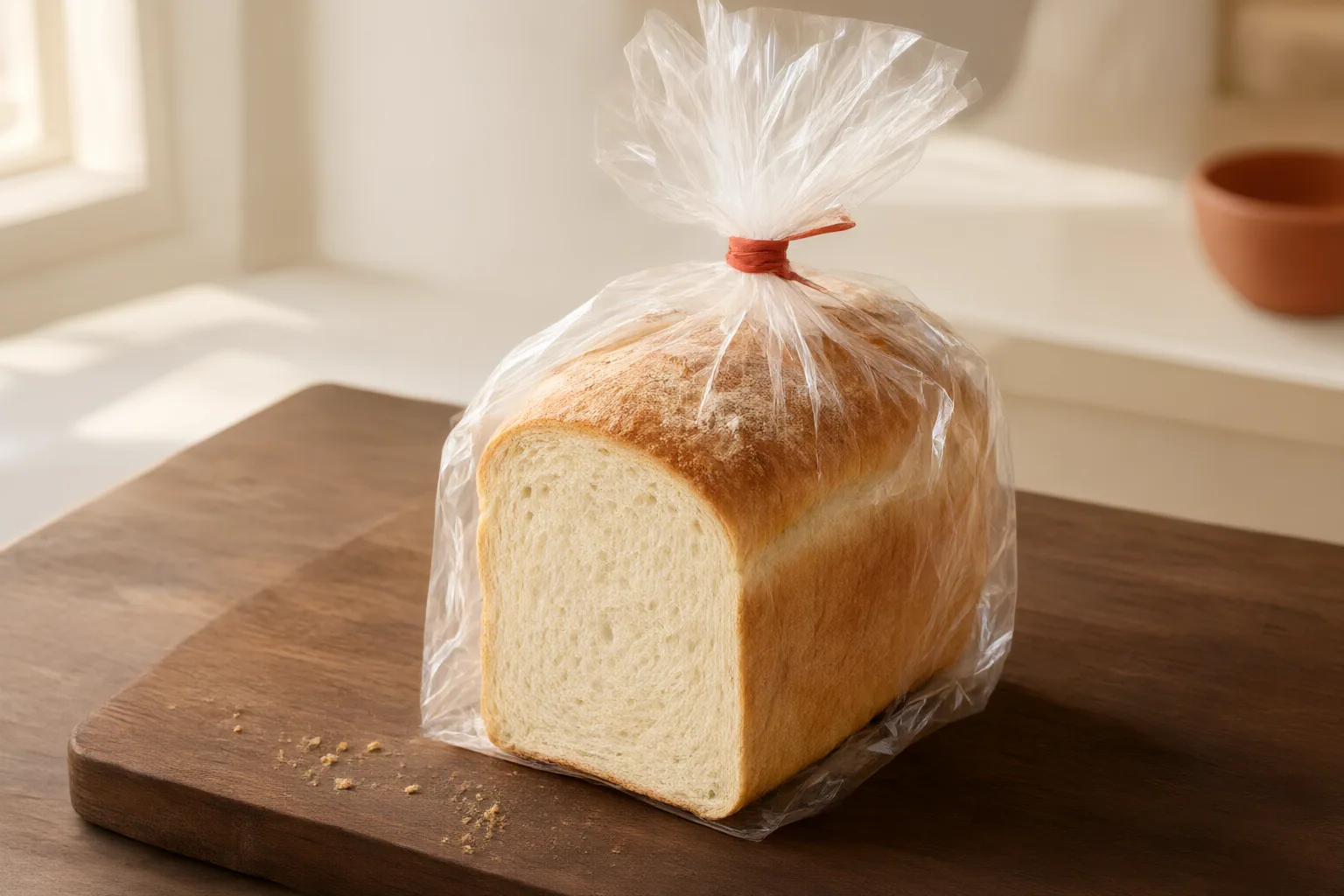
On packaged bread, “use by” is a safety limit, while “best before” indicates quality. The printed date should be read together with the product’s storage instructions and whether its packaging remains intact; it does not establish a universal storage period for every bread.
“Best Before” and “Use By” Answer Different Questions
The two labels are not interchangeable. A “use by” date concerns safety: food carrying this label should not be eaten after the stated date, even when it appears normal. A “best before” date concerns quality. When food has been stored correctly, it may remain safe after that date, although freshness, taste, or texture may decline.
This distinction matters when deciding whether to eat or discard packaged bread. Passing a “best before” date does not automatically mean the food became unsafe at midnight, but neither does the label promise that its quality will remain unchanged. Conversely, a “use by” date is not merely a freshness suggestion. It should be followed as a safety limit.
These are general date-label principles, not a bread-specific shelf-life calculation. The supplied evidence does not establish how many additional days any particular bread can be kept. Read the exact label on the individual package rather than applying one rule to every product.
When Looking and Smelling Help—and When They Do Not
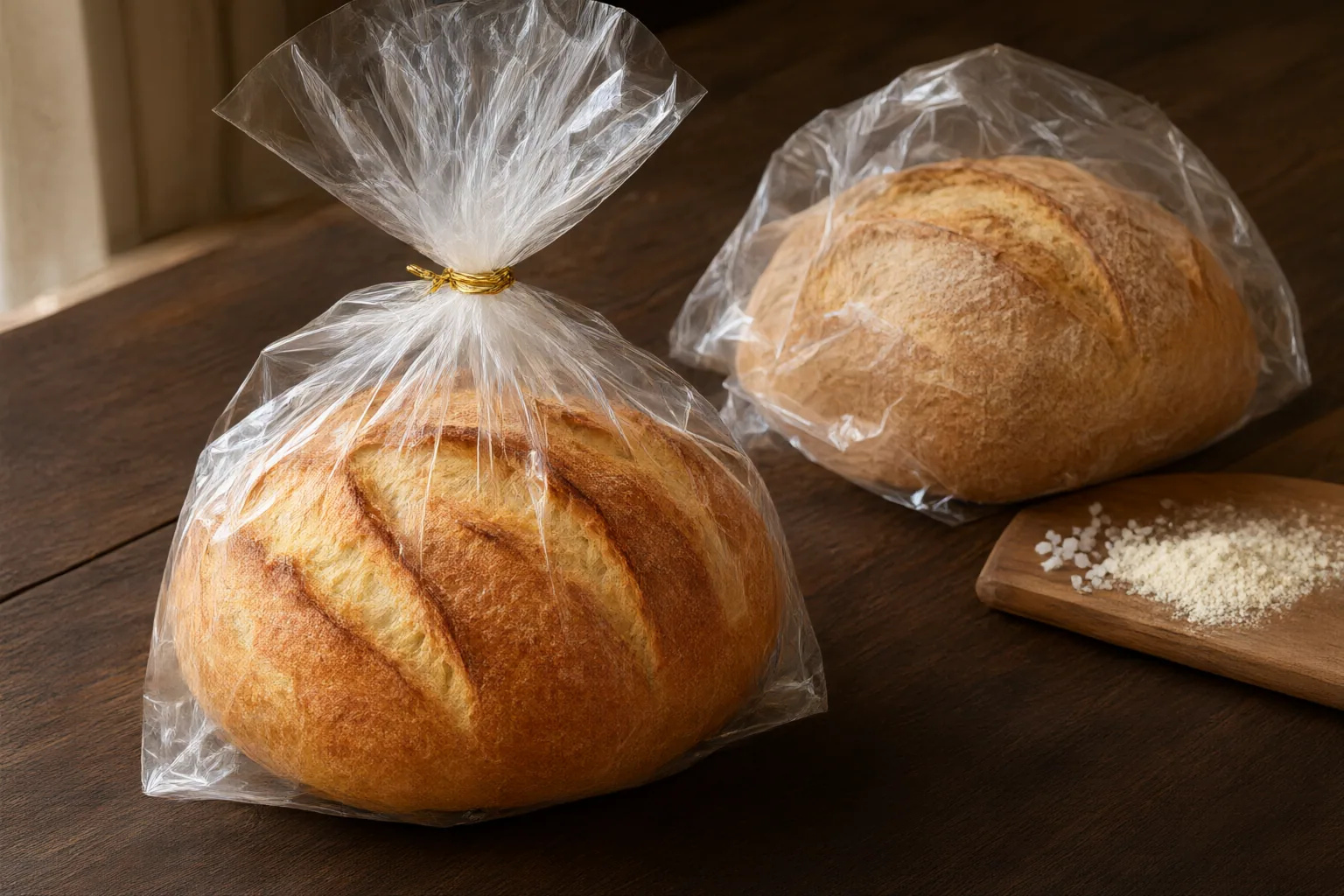
Sensory checks have different roles depending on the date label. For food marked “best before,” looking, smelling, or tasting may help you assess whether its quality remains acceptable. These checks may reveal changes in freshness, taste, or texture, but the evidence supplied here does not define bread-specific spoilage signs.
Do not use the same approach after a “use by” date. Harmful bacteria may be present without producing an obvious change in appearance or smell. A product that seems acceptable therefore cannot be declared safe through sensory checks once its “use by” date has passed.
Start by identifying the wording beside the printed date. If it says “best before,” the date addresses quality and sensory assessment may be relevant. If it says “use by,” follow the date as the safety limit instead of relying on how the food looks or smells.
What the Printed Date Does Not Tell You by Itself
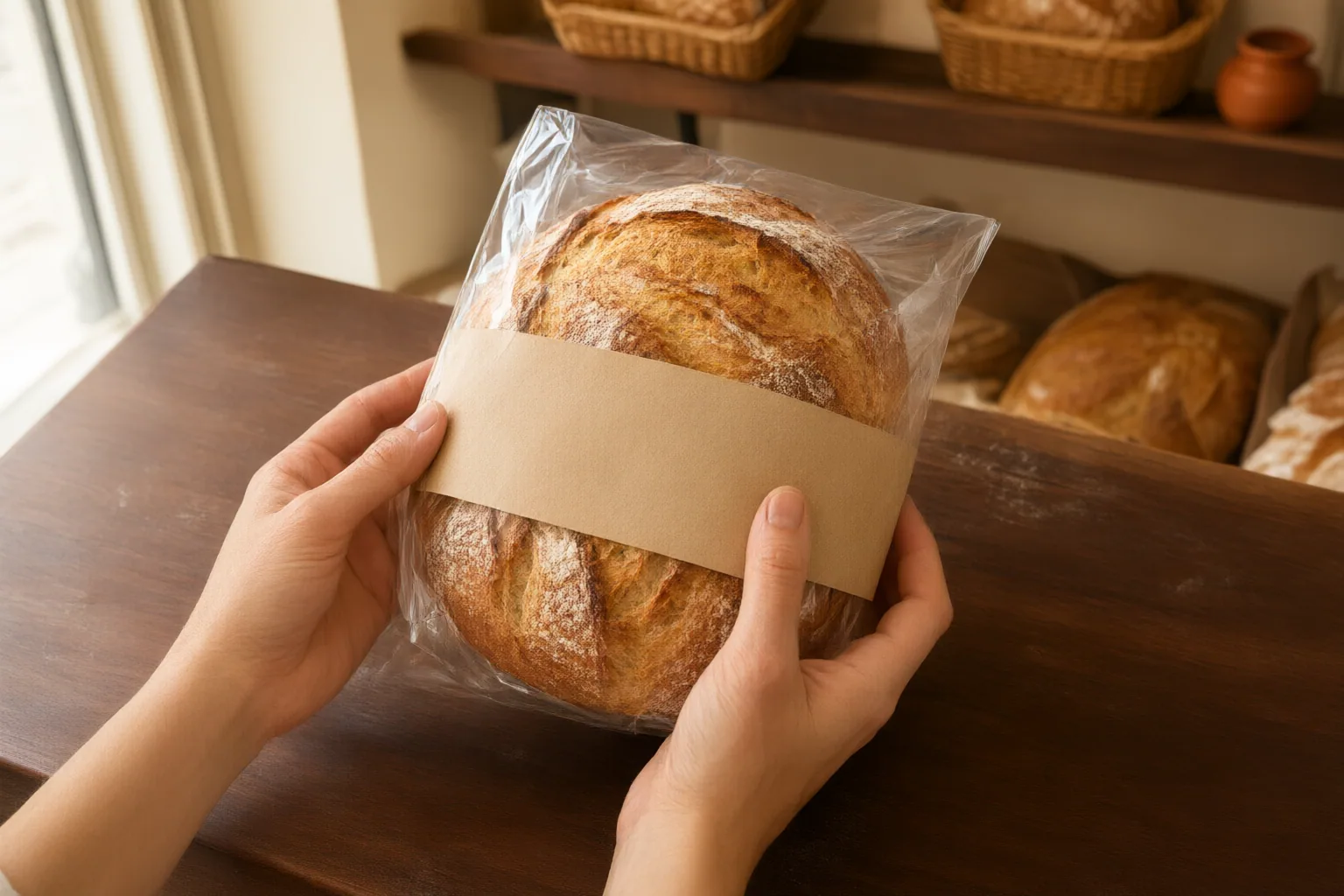
A date is not a complete storage instruction. Shelf-life dates apply while the packaging remains intact and the food is stored according to the conditions stated on its label. A printed date viewed without those conditions can therefore give an incomplete basis for a decision.
Check the package for its storage directions and examine whether the packaging remains intact. The available sources do not provide a universal storage period for packaged bread, define bread-specific spoilage indicators, or explain what to do for every form of package damage. Follow the instructions supplied with the particular product rather than inferring an extra shelf life from general guidance.
The underlying materials reflect UK and EU guidance and should not be treated as a statement of Indonesian law. They do establish the general distinction between safety and quality dates, while GOV.UK guidance also says food labels must be accurate and not misleading. Questions about local legal requirements need locally applicable official information.
Conclusion
Use the label type—not the printed date alone—to guide your decision. Treat “use by” as a safety limit and do not override it with a sight or smell check. Treat “best before” as a quality marker, recognizing that correctly stored food may remain safe afterward even as its quality declines.
Before eating or discarding packaged bread, identify which label it carries, read the stated storage instructions, and check that the package remains intact. When the label says “use by,” do not eat the product after that date.
Disclosures and limitations
- This article was prepared with AI assistance using only the cited UK and EU source materials supplied in the research package. It provides general date-label information, not bread-specific storage advice or Indonesian legal guidance.
Related reading
- Practical Bread Tips and Safe Access Guides
- How to Choose Fresh Bread: Use Storage Plans and Package Information
Sources
- Understanding food labelling — GOV.UK
- Food date labelling — European Food Safety Authority
- ‘Use by’ or ‘best before’? New tool to support food operators — European Food Safety Authority