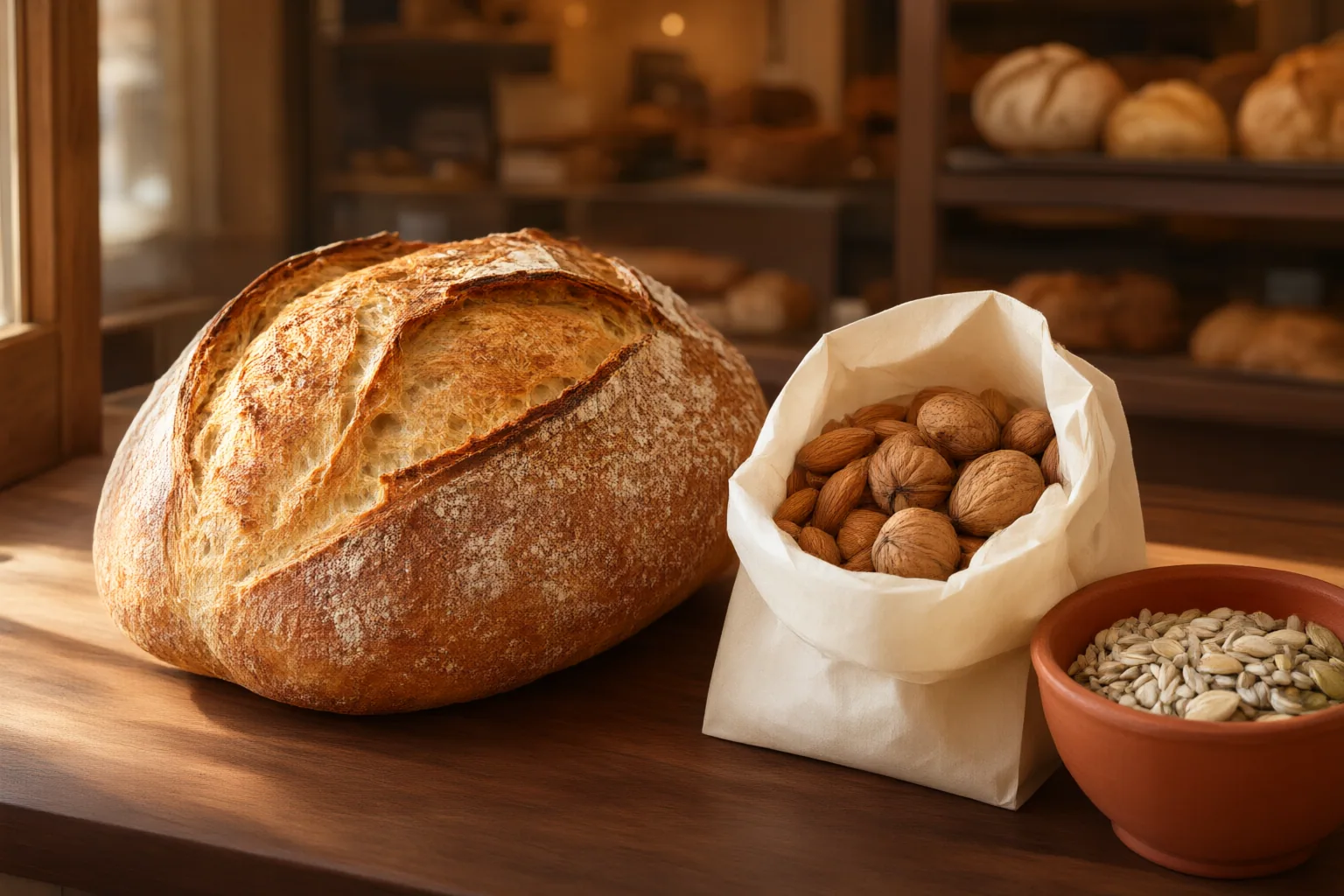
“Raw foods” can mean produce, nuts, and seeds, but it can also include uncooked eggs, dairy, fish, or meat. That distinction matters when bread shares a grocery trip with foods that may contain harmful bacteria or need to remain clean and refrigerated. The available evidence supports recognizing the difference and consulting applicable official guidance, but it does not establish a specific packing method.
What “Raw Foods” Can Mean
The phrase “raw foods” covers more than one category. Many raw-food patterns emphasize fruits, vegetables, nuts, and seeds. Some versions, however, also include raw eggs, dairy, fish, or meat. Treating all of these foods as though they present the same documented concern can obscure an important distinction.
For a shopper carrying bread home, the useful first question is therefore not simply whether another grocery is raw. It is what kind of raw food it is. The supplied sources distinguish plant foods commonly associated with raw-food diets from uncooked animal products that may carry harmful bacteria. Recognizing that difference helps shoppers understand why bread alongside raw produce is not the same evidence question as bread alongside raw dairy, eggs, fish, or meat.
The research does not provide direct instructions for positioning bread in a grocery load. It also does not support a particular container, separation distance, or packing arrangement. Its value is in clarifying the categories involved before a shopper looks for applicable transport guidance.
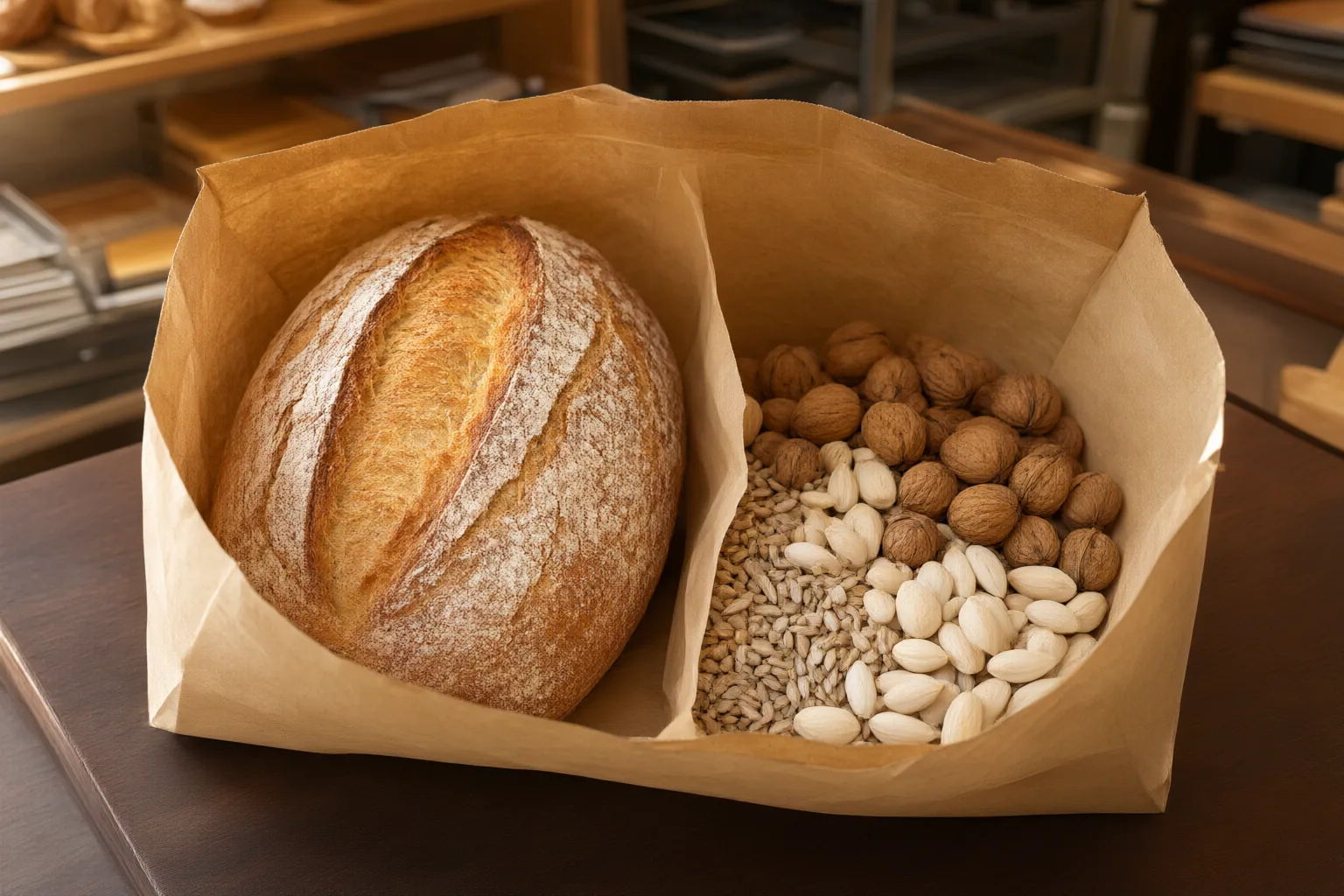
Why Raw Animal Products Require More Attention
UCLA Health states that raw dairy, eggs, and meat may contain harmful bacteria, including E. coli, Listeria, and Salmonella. Healthline likewise notes that cooking destroys some harmful bacteria. Together, these points explain why uncooked animal products deserve particular attention when shoppers think about carrying them with bread or other groceries.
This does not mean that every item described as raw creates an identical concern. A bag of raw produce and a package of uncooked animal food belong to different categories within the broad phrase “raw foods.” The documented bacterial concern in the supplied evidence specifically highlights raw animal products rather than establishing one universal risk level for everything uncooked.
The evidence also does not justify a detailed transport rule for bread. It gives no supported distance, time limit, temperature threshold, or recommended container for separating bread from raw animal products. Shoppers should not infer those details from general discussion of raw-food diets. Instead, the evidence supports identifying the food category and then referring to applicable official food-safety guidance for the trip home.
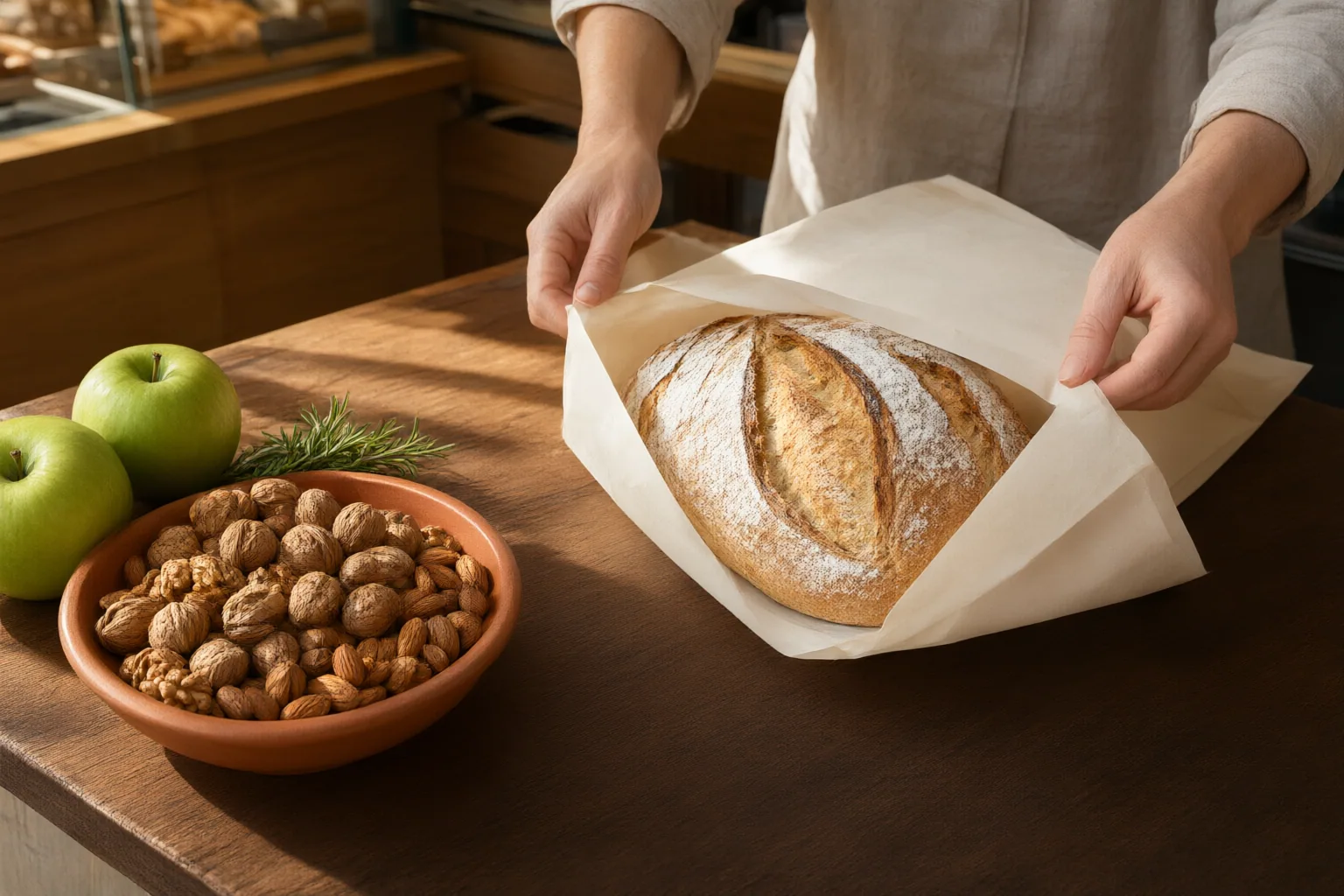
Two Common Questions About the Trip Home
Transport can add practical complications for some raw foods. UCLA Health notes that raw foods may need to remain clean and refrigerated while traveling. That makes the journey home relevant, particularly when the groceries include raw animal products rather than only foods such as fruits, vegetables, nuts, or seeds.
Still, this general observation is not a complete set of grocery-packing instructions. The supplied research does not explain exactly how bread should be separated, which package should be placed where, or how long a particular trip may safely take. Those unanswered details should remain separate from the documented facts.
A careful approach begins by checking what “raw” means in the groceries being carried. The two FAQs below address the evidence-supported distinction and the documented reason travel can be challenging without turning limited research into unsupported handling directions.
Conclusion
The central distinction is between raw plant foods and uncooked animal products such as raw dairy, eggs, fish, or meat. The latter category may contain harmful bacteria, while some raw foods also present travel challenges because they need to remain clean and refrigerated.
Before leaving with bread and other groceries, identify whether the load includes raw animal products. Then consult and follow applicable official food-safety guidance for transporting them alongside ready-to-eat foods such as bread. Do not rely on an unsupported packing distance, container choice, or time-and-temperature rule.
Disclosures and limitations
- This article was prepared with AI assistance using only the supplied research attributed to UCLA Health and Healthline. The sources offer general information about raw foods and bacterial risks, not direct instructions for packing bread with raw foods; no product or affiliate recommendations are included.
Related reading
- Practical Bread Tips and Safe Access Guides
- How to Keep Bread Protected From Dust and Insects at an Outdoor Family Gathering
Sources
- The Raw Food Diet: A Beginner's Guide and Review — Healthline
- What is the raw food diet? — UCLA Health
- Shop Raw Foods, Supplements & Beauty | The Raw Food World — The Raw Food World
- Raw foodism – Wikipedia — en.wikipedia.org
- The Raw Food Diet: Complete Guide – Raw Food Magazine — rawfoodmagazine.com
- Organic Raw Foods and Superfoods – RawGuru — rawguru.com