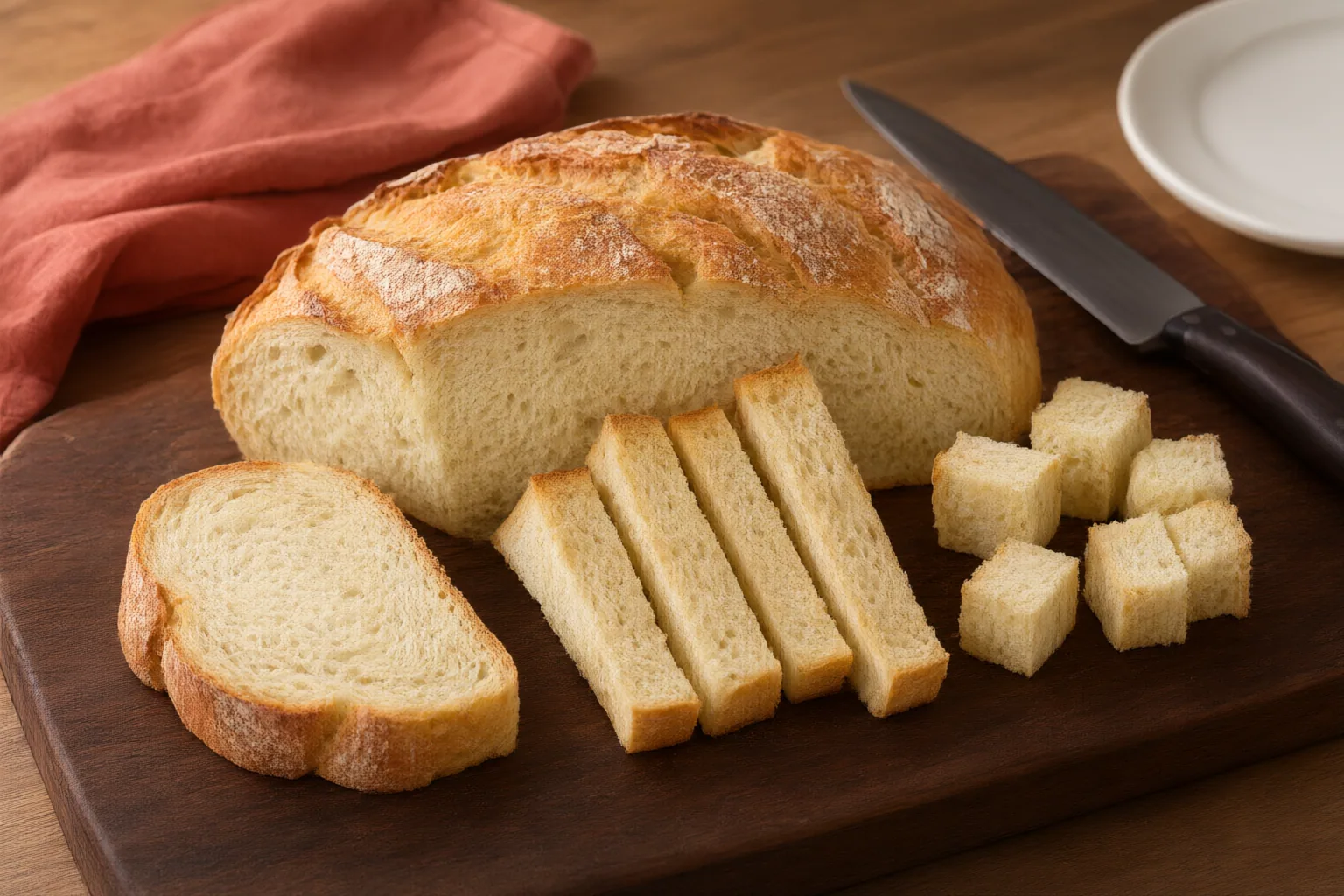
Serve bread in a shape and texture suited to the child’s current eating skills. Lightly toast soft bread if it becomes gummy, adjust the cut as grasping and chewing develop, check the ingredients, and keep the child seated within arm’s reach while eating.
Why Bread Texture and Shape Matter
Soft bread is not automatically easier for a baby or toddler to manage. Very soft bread can become sticky or gummy in the mouth, while hard, cracker-like bread may also be difficult. Lightly toasting a soft slice can help it hold its shape and reduce its gummy texture for an early eater.
Preparation should reflect the individual child’s grasping, chewing, and swallowing abilities. Age ranges can provide a useful starting point, but children develop eating skills at different rates. Choose a shape the child can hold and manage, then watch closely for signs that the texture or portion needs to be adjusted. If the child has feeding difficulties, general guidance is not a substitute for advice from a pediatrician or feeding specialist.
How to Cut and Serve Bread as Skills Develop
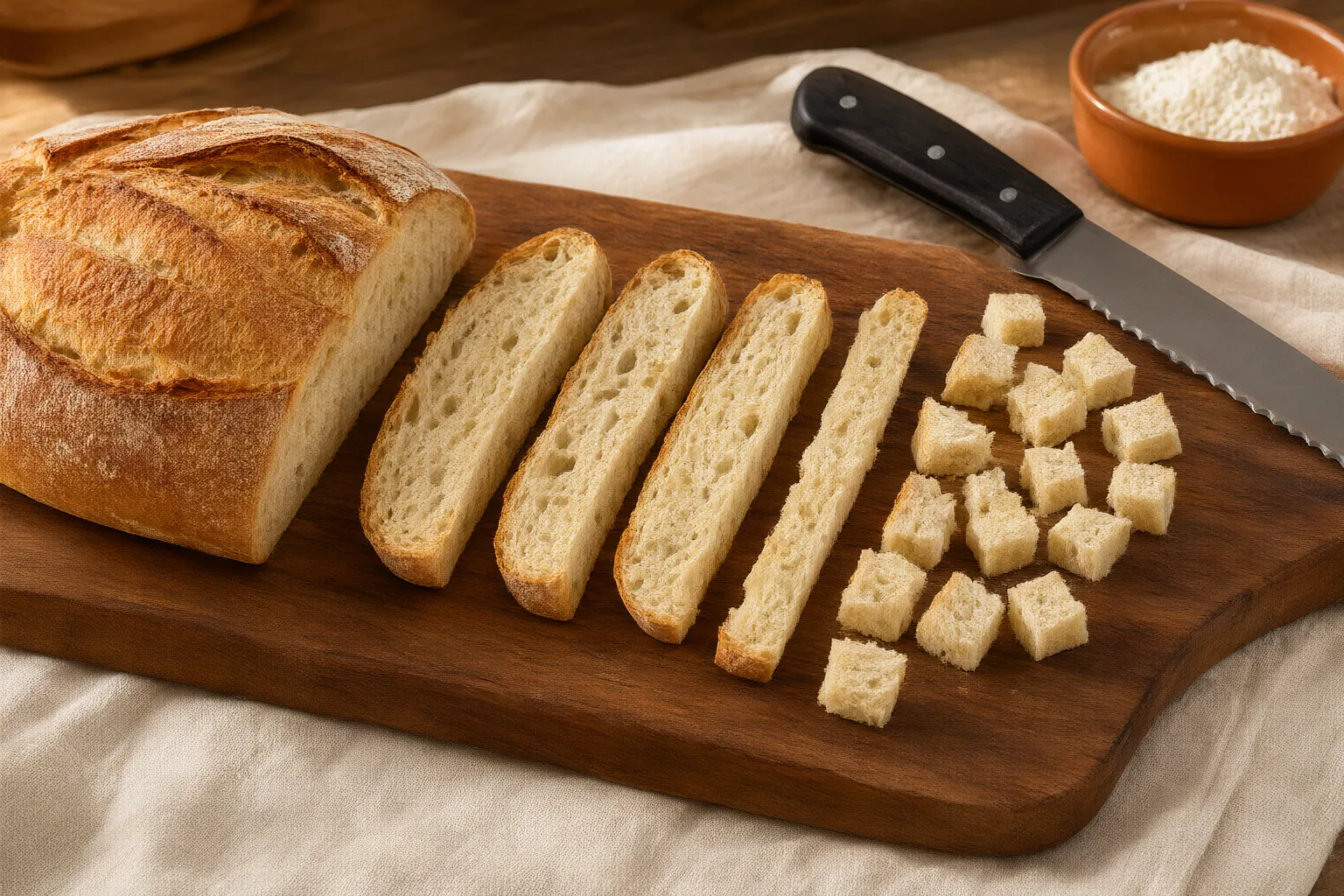
For a baby around 6 months who is ready for solids, one suggested starting format is well-toasted bread that holds its shape. Cut it into strips approximately as wide as two adult fingers pressed together so the baby can grasp the bread. Avoid pieces containing dried fruit, nut pieces, candied citrus, or large whole seeds.
Once the child has a working pincer grasp, bite-sized pieces of toast may be offered. If the child tends to put several pieces into the mouth at once, place only one piece within reach at a time. Continue adapting both texture and portion size to the child’s demonstrated abilities.
From about 12 months, a child may be offered a whole slice or bread divided into halves or quarters, either toasted or untoasted. Toast may remain the more manageable choice for a child with limited experience eating bread. From about 18 months, sandwiches may be introduced, but their mixed textures require close supervision while the child learns to handle them. These ages are general reference points, not guarantees of readiness; the child’s actual skills should guide each change.
Ingredients and Mealtime Precautions
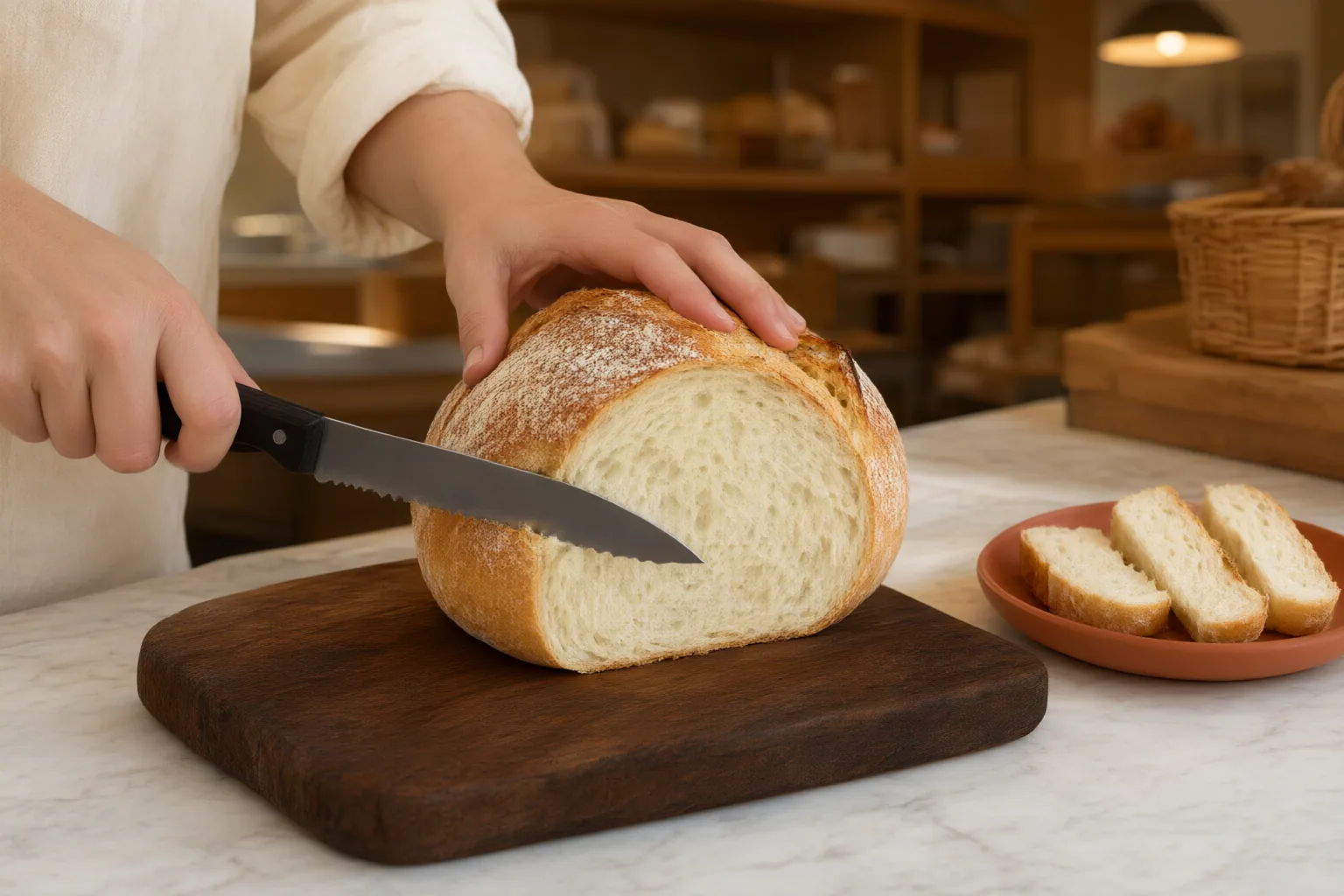
Active supervision is essential whenever a young child eats bread. Keep the child seated instead of allowing walking or playing with food, remain within arm’s reach, and pay attention throughout the meal. Supervision does not make every bread preparation suitable, so combine it with an appropriate texture, shape, and portion.
Read the ingredient list before serving. Bread commonly contains wheat and may also contain milk, egg, or sesame. Some varieties include nuts, seeds, or dried fruit, which require additional attention when selecting a manageable piece. After introducing wheat-containing bread, watch for a possible reaction. A child with a known allergy or suspected reaction needs individualized professional guidance.
Do not serve bread containing honey to a baby younger than 12 months because of the risk of infant botulism. Check packaged and bakery bread rather than assuming honey is absent. Ingredient review is especially important when changing brands or bread varieties, because recipes can differ.
Conclusion
The safest practical approach is to select bread with a manageable texture, change its shape as the child’s eating skills develop, and supervise every serving closely. Light toasting can make gummy bread easier for an early eater to handle, while strips, bite-sized pieces, larger divisions, and sandwiches can follow as grasping and chewing abilities progress.
Before the next serving, check the label for honey and relevant allergens, prepare one suitable portion, seat the child, and remain within arm’s reach throughout the meal. Seek guidance from a pediatrician or feeding specialist when feeding difficulties, known allergies, or suspected reactions are involved.
Disclosures and limitations
- This article was prepared with AI assistance using only the supplied research package and its identified sources. It provides general feeding information and does not replace individualized advice from a pediatrician or feeding specialist.
- No products are recommended in this article, and no affiliate relationship is represented.
Related reading
- Practical Bread Tips and Safe Access Guides
- How to Transport Bakery Bread Without Crushing It: Practical Tips
Sources
- Can Babies Eat Bread? – Solid Starts — Solid Starts
- How to Serve Bread on the Table Like a Pro – MyCookingHeaven — MyCookingHeaven
- White Bread (Soft, Crust Removed) for Babies — How to Serve by Age | Dalo Solids — dalofamilyapps.com
- Breaking Bread: The Art of Serving Bread with Elegance and Style – Decor With Style — Decor With Style
- 22 Tasty Dishes to Serve With Bread for a Complete Meal — A Pinch of Adventure
- When Can Babies Eat Bread? Age, Safety & How to Serve — Babysential