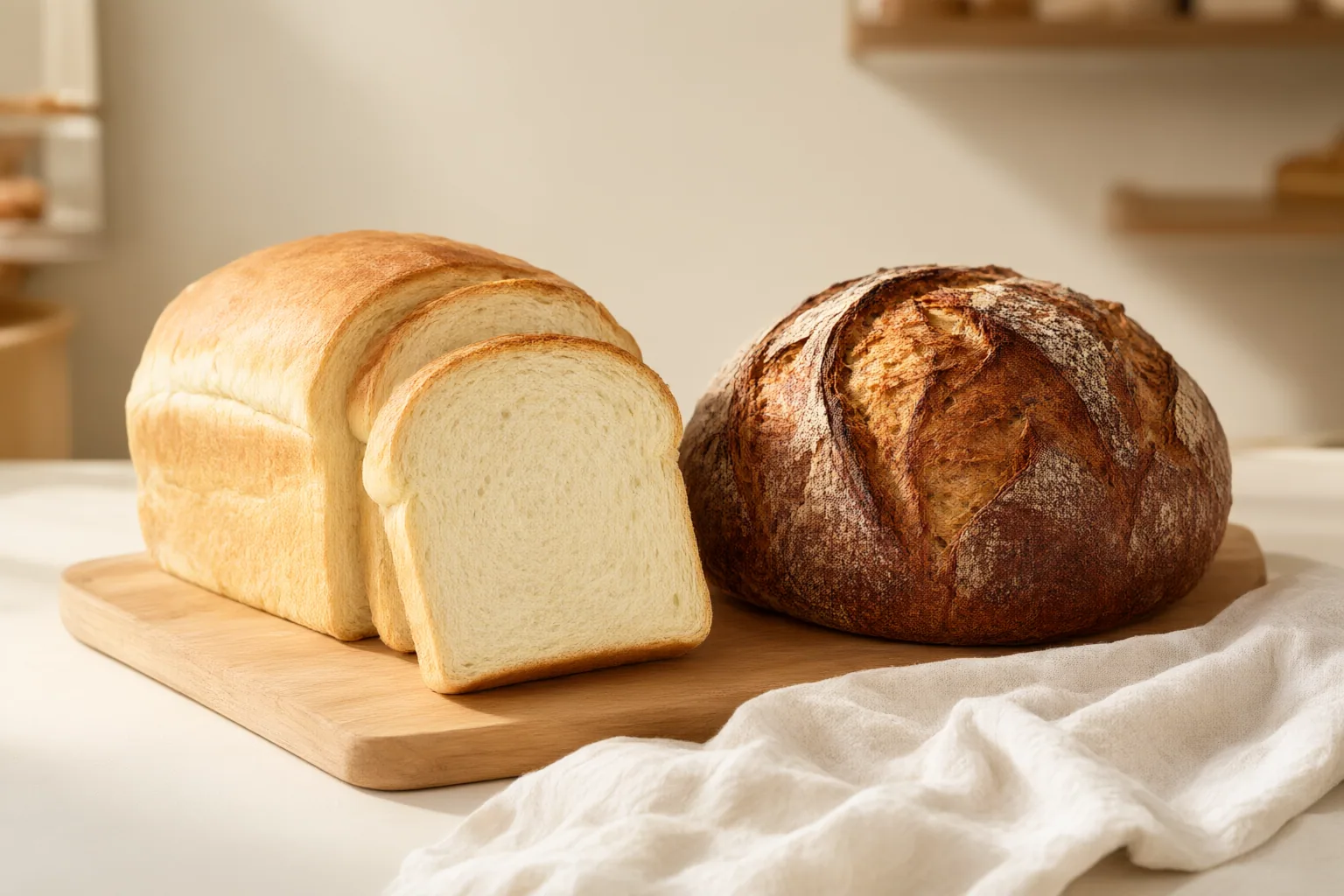
A balanced family bread selection starts with clear catalog details. Compare flavor intensity, intended use, texture, notable ingredient characteristics, and storage instructions, then pair a versatile mild loaf with a sweeter or more savory choice.
Start With a Bread Flavor Spectrum
Begin by sorting breads along an easy-to-understand flavor spectrum. Useful labels might include neutral, mildly savory, sweet, rich, sharp, garlicky, and spicy. These descriptions let shoppers compare options without having to infer flavor from a product name alone.
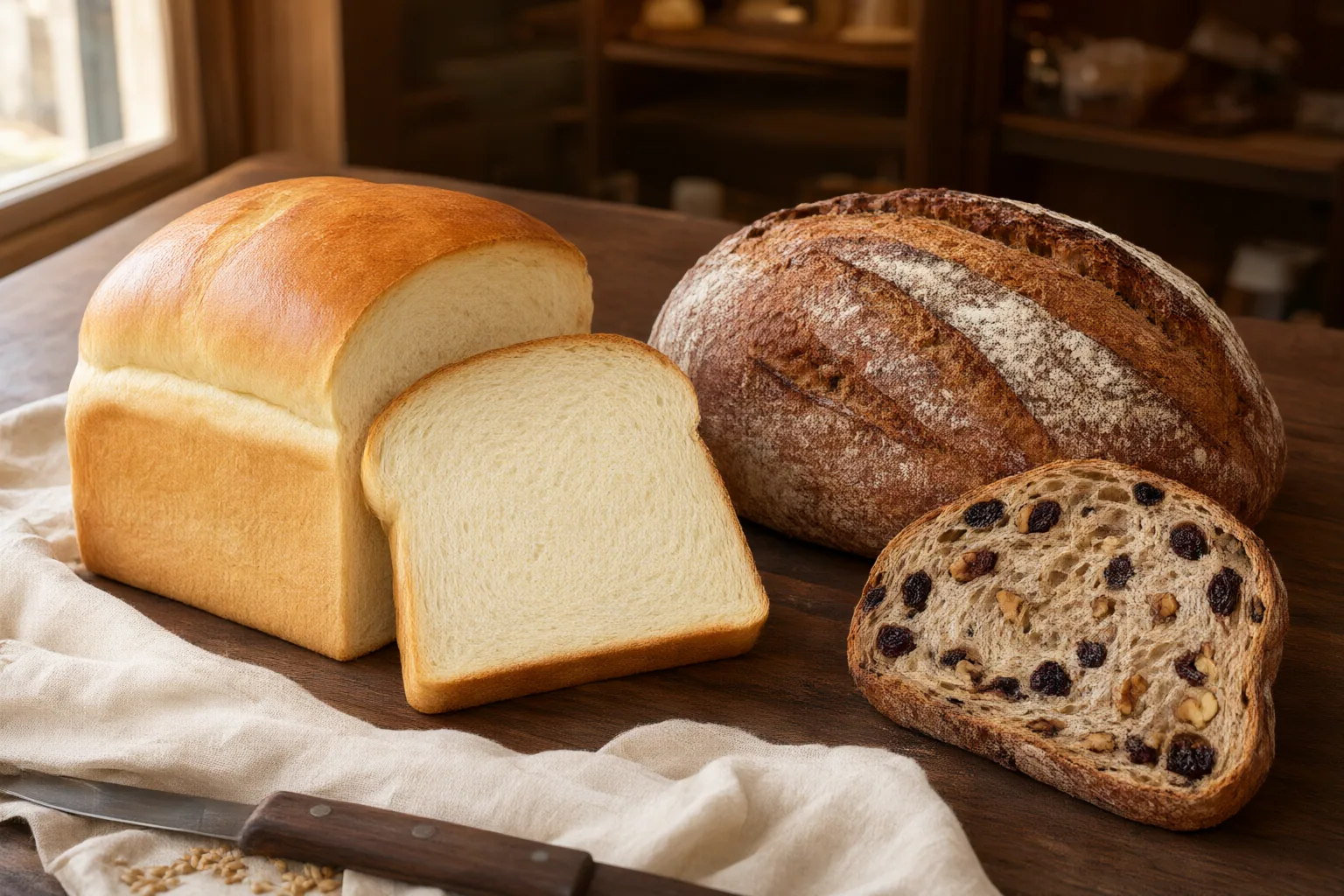
General bread comparisons illustrate how this works. Whole-wheat bread can serve as a neutral everyday option for sandwiches or toast, while cinnamon-raisin and molasses-raisin breads represent sweeter, more distinctive profiles. Other categories might include savory herb-and-garlic bread or a sharper combination of cheddar and jalapeño.
For a varied household selection, choose a mild anchor first. Then add one contrasting loaf that provides sweetness, savory depth, or heat. This creates variety while retaining an option suited to straightforward everyday meals.
Match Flavor Intensity to Household Preferences
Flavor names are most useful when a catalog also explains intensity. “Herb,” for example, does not reveal whether the flavor is delicate or dominated by an assertive herb such as rosemary. Guidance on herb breads recommends balancing stronger herbs with milder ones and adjusting garlic to suit family preferences.
Catalog descriptions should likewise distinguish gentle savory notes from pronounced garlic, sharp cheese, or chile heat. Cheddar-jalapeño bread illustrates why both the cheese character and spicy element matter: someone who enjoys a rich cheese flavor may not necessarily want noticeable heat.
When household tastes differ, avoid making every selection highly distinctive. A practical mix combines one broadly useful mild loaf with a stronger option for family members who prefer sweeter, sharper, garlickier, or spicier flavors. Clear intensity labels make that compromise easier.
Check Intended Use, Texture, and Storage Details
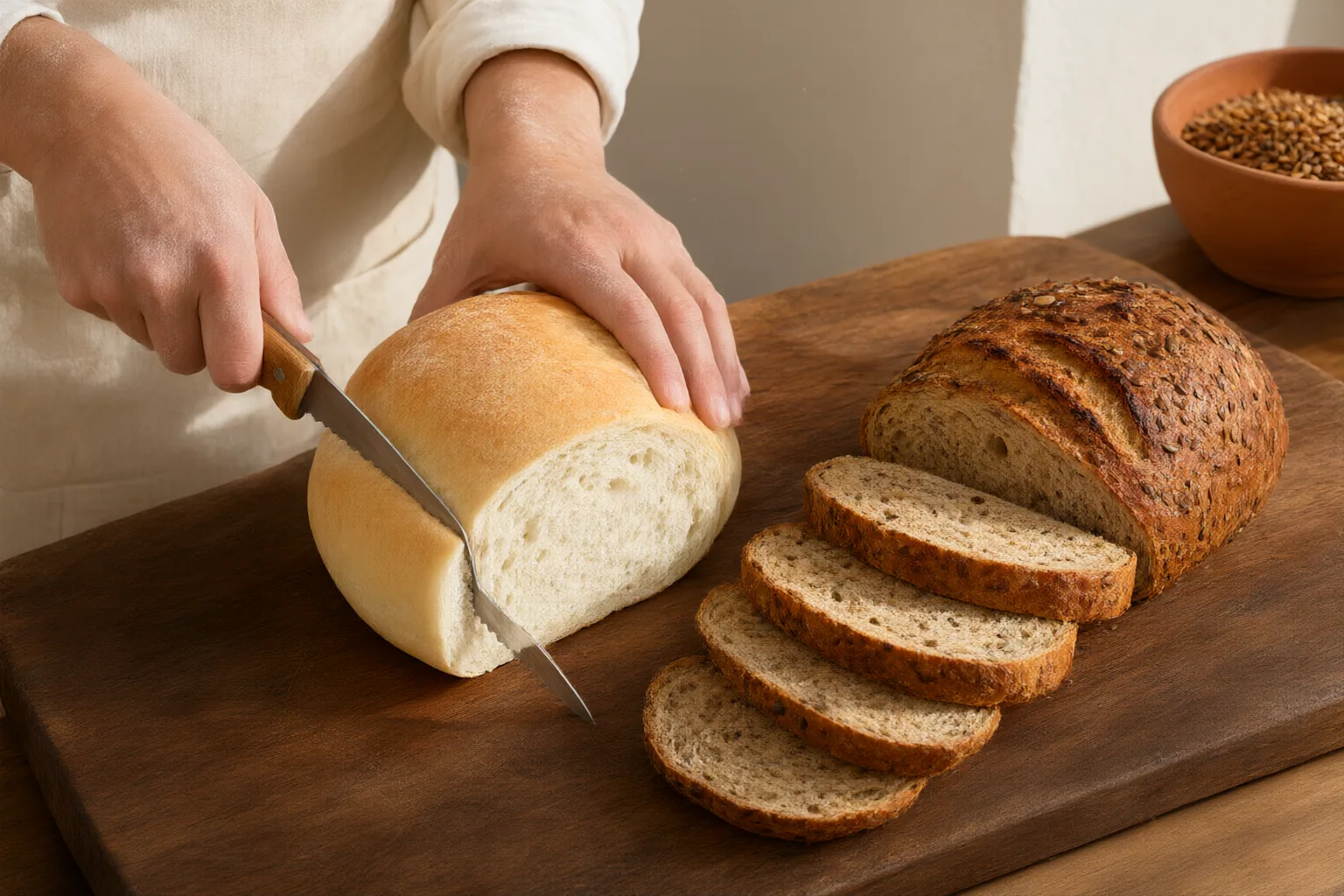
After comparing flavor, check how each bread is intended to be served. Whole-wheat bread is presented as suitable for sandwiches and toast. Herb-and-garlic focaccia can accompany soup, become part of a sandwich, or be eaten by itself, while cinnamon swirl bread is positioned for breakfast or dessert. Such labels help families avoid choosing several breads that all fill the same role.
Texture and relevant ingredient characteristics provide another layer of comparison. A helpful catalog groups choices consistently and gives shoppers enough information to distinguish simple or artisan loaves, sweet breads, and breads suited to particular uses. These fields should describe rather than assume suitability for every household.
Storage instructions deserve equal attention. One cited raisin-bread comparison notes refrigeration after opening, showing that storage requirements can differ. Shoppers should follow the instructions attached to the specific bread rather than applying one storage method to every loaf. Together, use, texture, ingredient, and storage fields make flavor labels more practical.
Conclusion
Build a family-friendly selection in three steps: start with a versatile mild loaf, add one sweeter or more savory option, and confirm how each choice is meant to be served and stored. Consider taste alongside nutrition and price where the catalog provides those details, since the best balance depends on household priorities.
Now compare the available catalog entries by flavor intensity, intended use, texture, ingredient characteristics, and storage guidance. Shortlist one mild bread and one richer choice that match your household’s tastes and planned meals.
Disclosures and limitations
- This article was prepared with AI assistance using the editorial recipe and comparison sources identified in the research package. The guidance is general and does not establish Kampoeng Roti product details, ingredients, allergens, prices, availability, locations, or ordering options.
- No specific product is endorsed here. Any affiliate or other commercial relationship associated with future product links should be disclosed alongside those links.
Related reading
- Explore Kampoeng Roti Products
- How to Check for Customer Parking or a Pickup Area at a Kampoeng Roti Outlet
Sources
- 25+ Easy and Delicious Flavored Bread Recipes for Every Palate — ChefsBliss
- 11 Best Grocery Store Breads in 2026 – The Culinary Gene — The Culinary Gene
- 20 Bread Flavor Ideas: Spice Up Your Slice With Flavor Explosions – Long Suppering Food Ideas — Long Suppering Food Ideas
- Bread Flavors: Explore Traditional And Modern Bread Recipes Worldwide — Bread Flavors