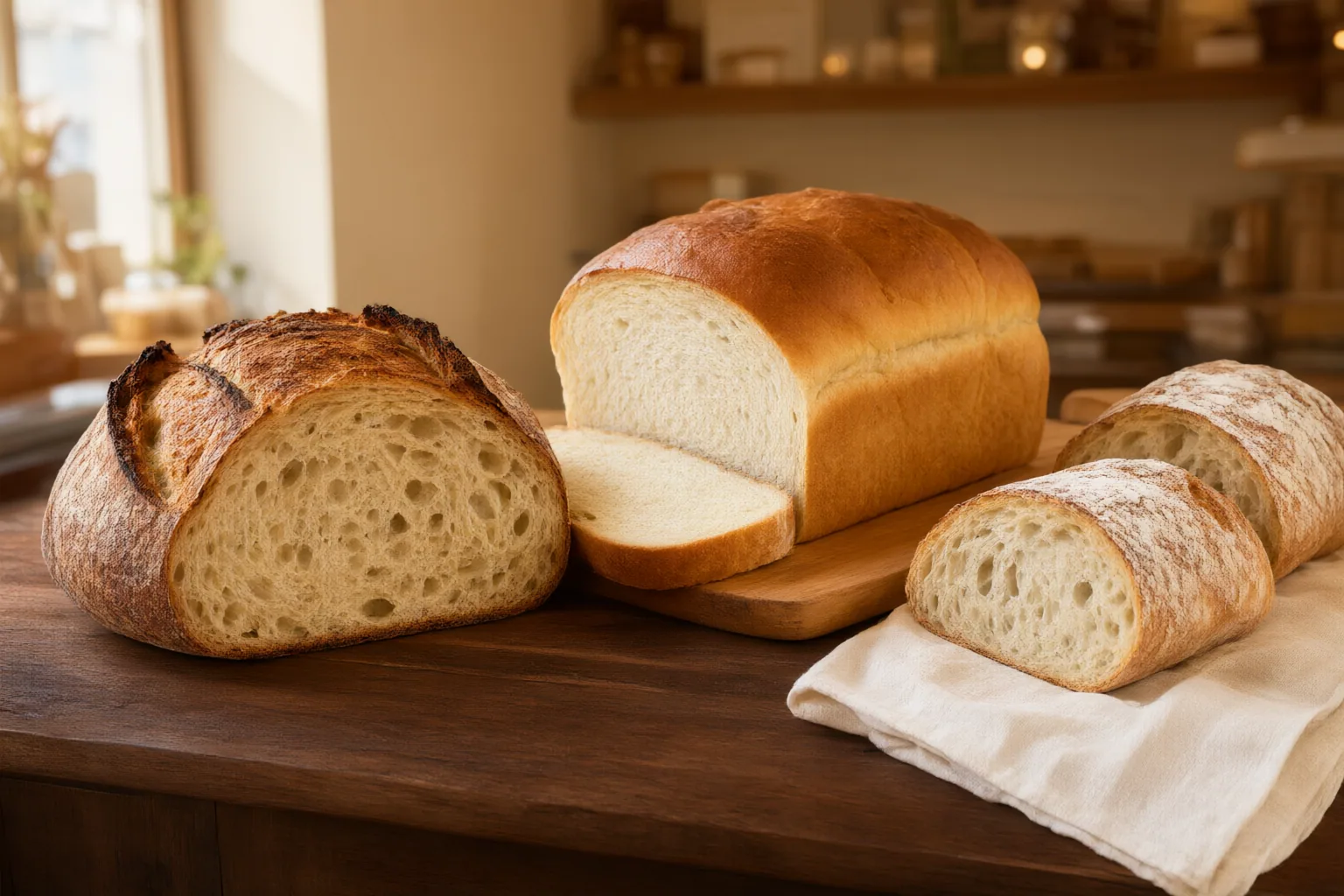
Choose bread for homemade sandwiches by first deciding on the filling, preparation method, and serving day. Those choices help families plan how the bread will be assembled, heated, and stored without relying on unsupported brand or bread-type rankings.
Start with the Filling
Begin with what will go inside the sandwich. The cited paneer sandwich guide includes combinations of spreads and fillings such as paneer, carrots, cucumber, tomatoes, corn, herbs, sauce, thick curd, mayonnaise, and chutney. This shows why the filling is a useful starting point: homemade sandwiches can combine vegetables with moist spreads or sauces.
Before selecting bread, write down the planned ingredients and consider how the sandwich will be assembled and served. If several moist components will be used, account for that when comparing the available bread rather than choosing from appearance alone. If the filling is simpler, the same concern may be less important. The source does not establish that a particular bread type or brand performs best, so treat filling compatibility as a household decision instead of a universal ranking.
Also consider whether sandwiches will be assembled immediately before eating or prepared as part of a family routine. The available evidence supports planning around the filling, but it does not support claims about specific ingredients, allergens, prices, or products.
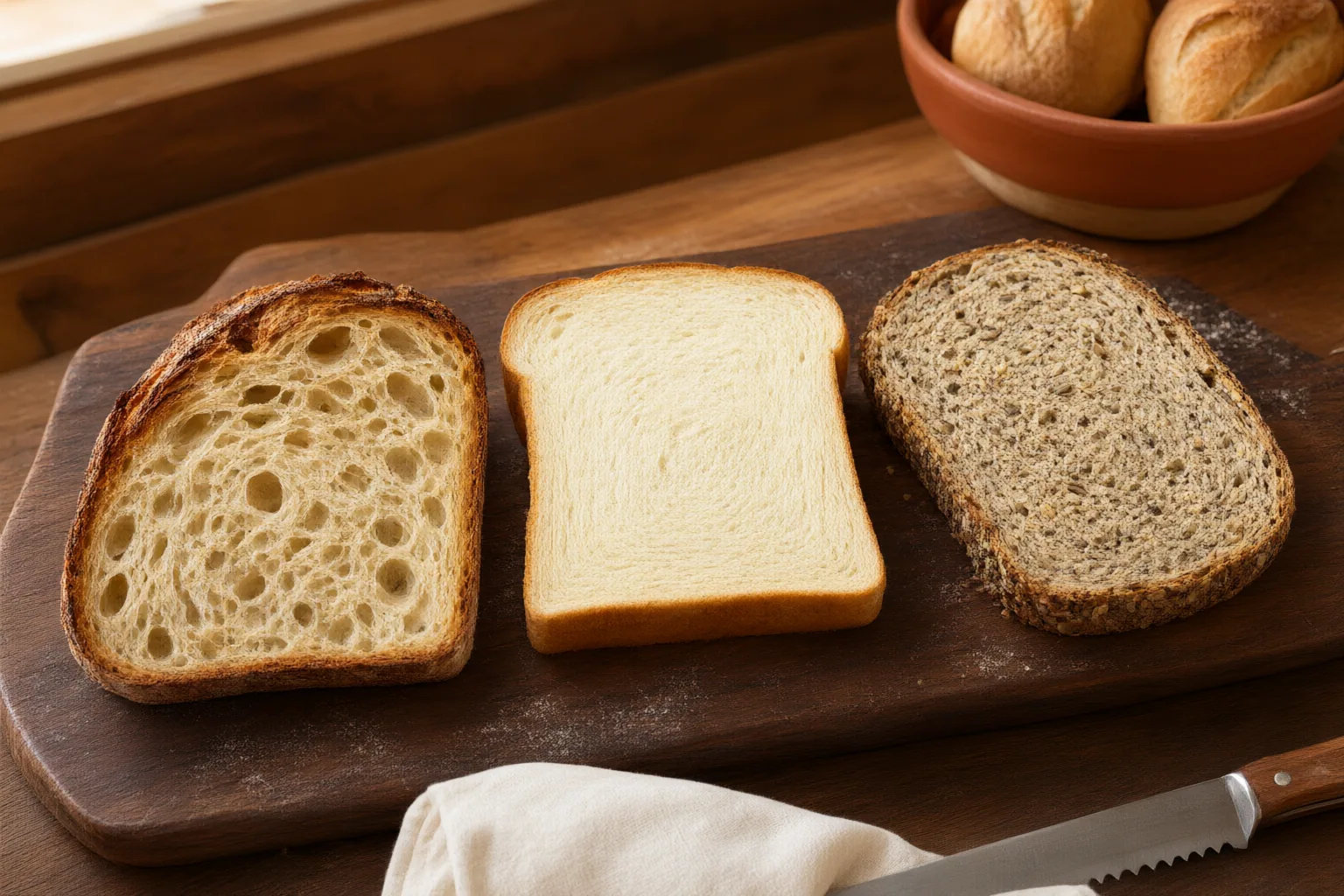
Match the Bread to the Preparation Method
Next, decide whether the sandwich will be served after assembly or heated. The cited sandwich guide presents several heating options: a sandwich toaster, an oven, or a stovetop griddle or tawa. These alternatives make preparation method a practical comparison point when shopping for bread.
Use a simple checklist: Will the sandwich remain unheated? Will it go into a sandwich toaster? Will it be heated in an oven? Or will it be prepared on a griddle or tawa? Make this decision before selecting the bread so the choice reflects the meal you actually intend to prepare.
This is a planning method, not evidence that one bread variety is superior for any appliance. The supplied research contains no controlled comparison of bread types, brands, textures, or heating results. Families should therefore avoid treating an unsupported performance claim as a buying rule. Instead, match the selection to the intended recipe and preparation process using the information available at the point of purchase.
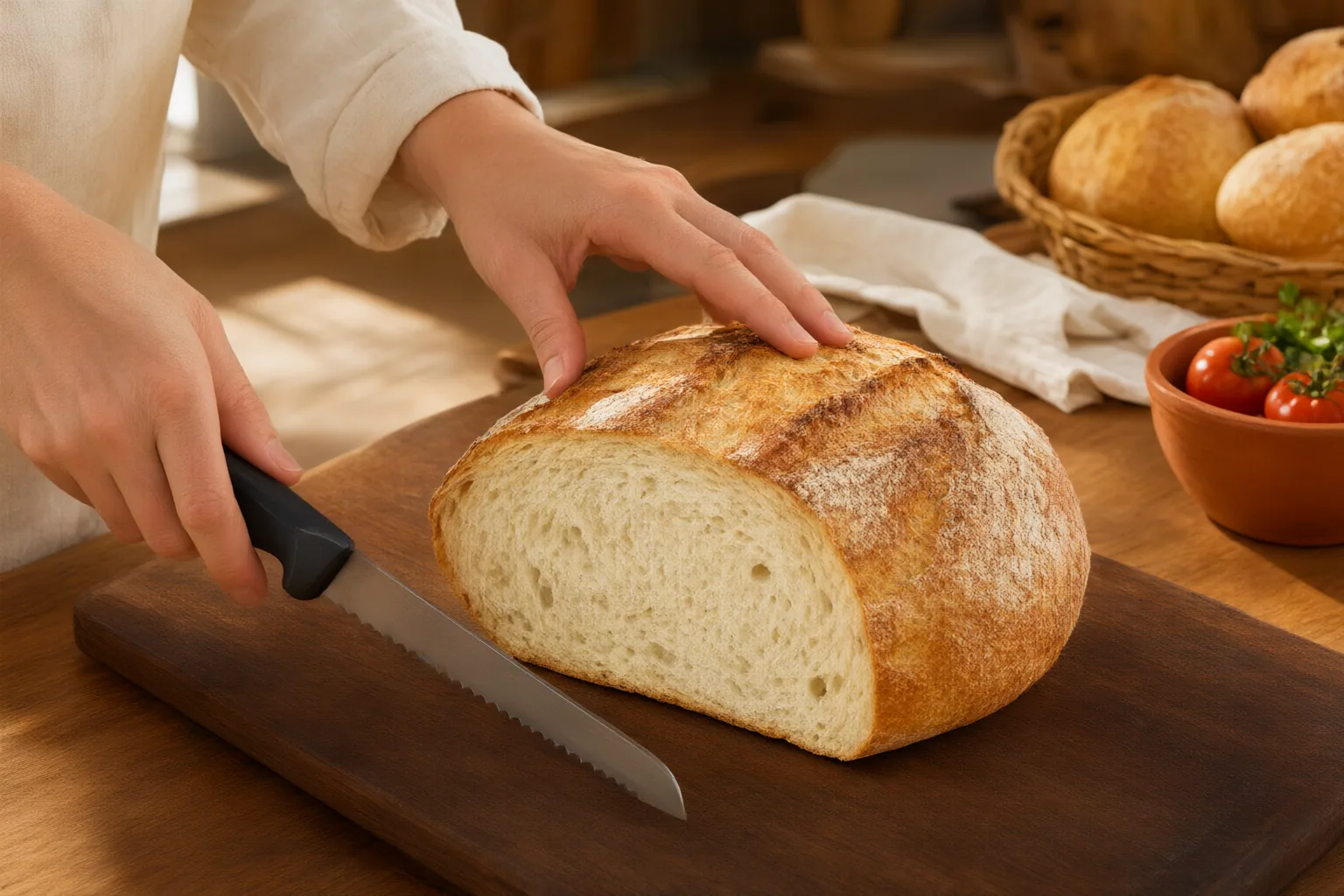
Plan for When the Bread Will Be Used
Serving time affects both the quantity a household may need and the appropriate storage plan. Good Housekeeping UK reports that bread expected to be eaten within a few days can be kept sealed on a kitchen counter, in a pantry, or in a bread bin. Keeping it sealed is part of that guidance.
For longer storage, the same source advises slicing and freezing the bread, then removing individual pieces as needed. This approach is noted as particularly useful when the pieces will later be toasted. Planning portions before freezing can therefore support a routine in which only the required slices are taken out.
Refrigeration is not presented as the preferred middle ground in the cited guidance. Good Housekeeping UK says cool refrigerator temperatures accelerate changes in bread’s starch structure, making it become firm and dry more quickly. Families deciding between short-term and longer storage can instead compare two supported paths: sealed storage at room temperature when the bread will be eaten within a few days, or sliced frozen storage when it is needed later, especially for toasting.
The guidance does not establish an exact shelf life for every loaf. Bread type and intended use still matter, so follow any storage information supplied with the bread rather than assuming one timetable applies universally.
Conclusion
A practical family choice begins with three questions: What will go into the sandwich? Will it be served as assembled or heated in a toaster, oven, or on a griddle or tawa? When will it be eaten?
The answers create a straightforward plan without requiring unsupported comparisons between brands or bread types. Consider moist spreads, sauces, and vegetable-rich fillings during selection. Keep bread sealed at room temperature when it will be used within a few days, or slice and freeze it for longer storage, particularly if it will later be toasted. Avoid assuming refrigeration will preserve its softness, because the cited guidance says it can make bread firm and dry more quickly.
Before choosing bread, decide on the filling, preparation method, and serving day, then select and store it to match that plan.
Disclosures and limitations
- This article was prepared with AI assistance using only the supplied research package. Material statements are attributed through the listed source IDs, and no firsthand product testing, purchasing, interviews, or personal use is claimed.
- No specific product or seller is recommended, and no affiliate relationship is asserted. If commercial or affiliate links are added later, they should be clearly disclosed and must not be treated as independent evidence of product quality, availability, ingredients, allergens, or price.
Related reading
- Our Story: Bread for Everyday Moments
- How to Confirm Which Floor or Level a Kampoeng Roti Outlet Is On
Sources
- Paneer Sandwich Recipe (3 Easy Variations) – Swasthi's Recipes — Swasthi's Recipes
- The surprising reason experts say you shouldn't store bread in your fridge — Good Housekeeping UK