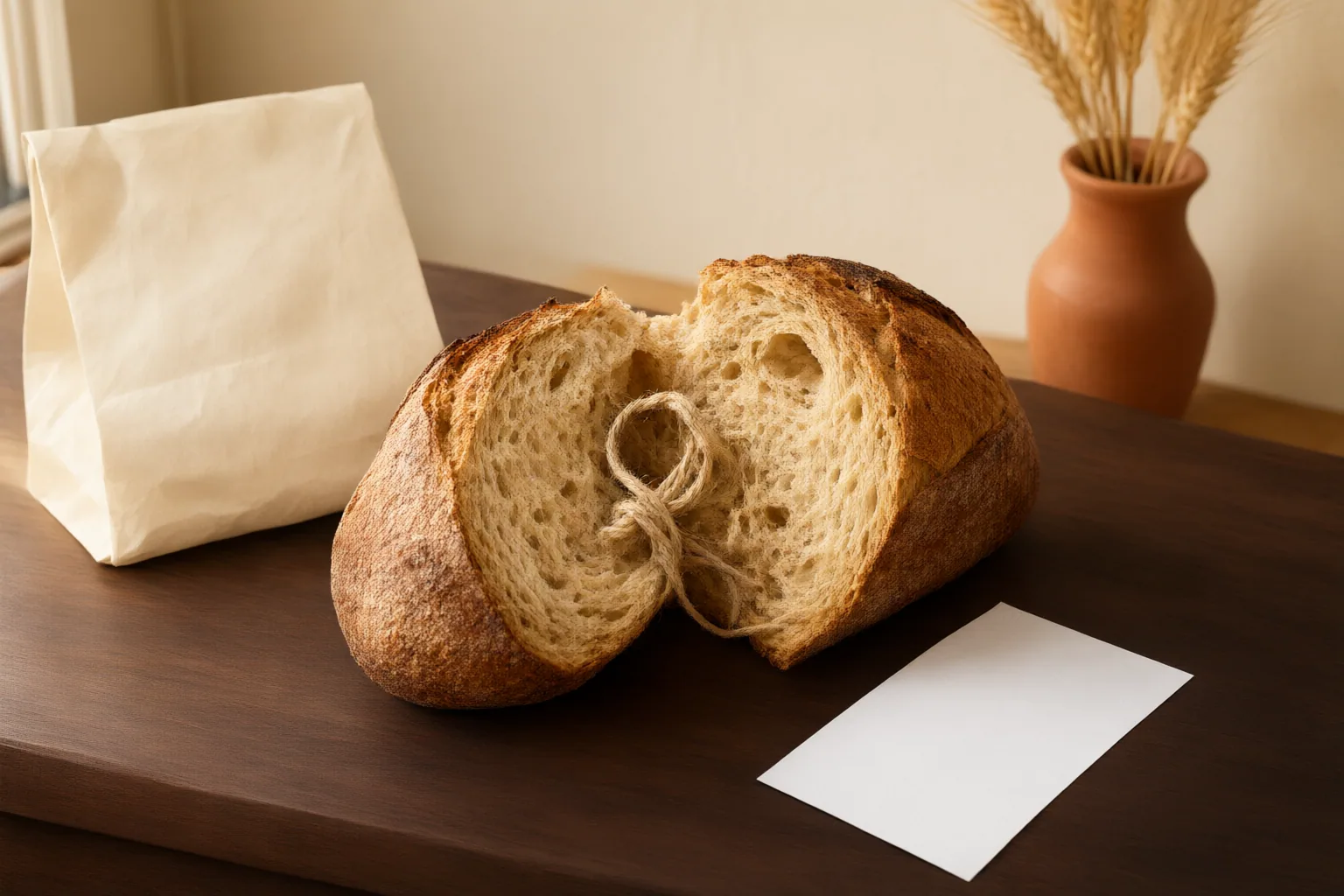
Stop eating the bread, check whether anyone is injured, and preserve the product, object, packaging, receipt, and photographs. If an intact package is transparent, leave it closed; if it is already open, document and retain its contents before reporting the incident through a verified channel.
Stop Eating and Check for Injury
Stop consuming the bread and check whether anyone has been hurt. Hard or sharp objects may damage teeth, gums, the mouth, esophagus, stomach, or intestines, and they can present a choking risk. If someone has a broken tooth, a cut inside the mouth, or another injury, seek prompt care from a dentist or doctor. Explain when, where, and how the injury occurred.
Avoid unnecessarily disturbing an intact package while assessing the situation. Removing the object may damage evidence that could help a business or appropriate authority examine the complaint. Health needs take priority, but preserve the product and records whenever doing so does not delay care. This is general guidance based on the supplied sources, not Indonesia-specific medical or regulatory advice.
Preserve the Bread, Object, Packaging, and Receipt
How you preserve the evidence depends on whether the package has been opened.
If the bread remains inside an intact package—particularly a transparent one—leave it closed. Keeping the object in its original position can avoid damaging or weakening the evidence. Photograph the package and visible object without opening it.
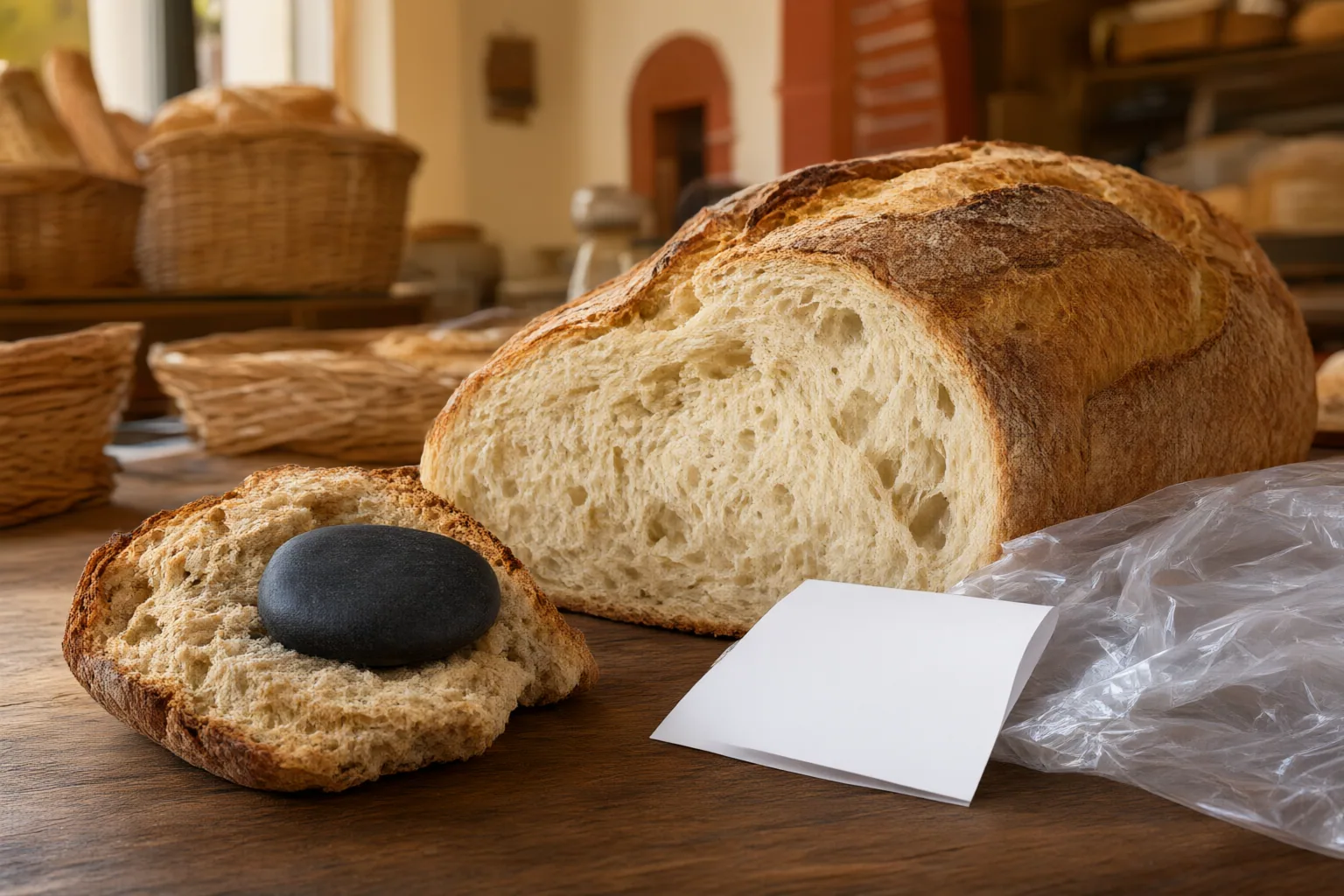
If the package was already opened, photograph the object together with the bread and original packaging. Retain the bread and object in a transparent container. Keep the original wrapper or other packaging, even if the food has been transferred. Also save the purchase receipt or other available proof of purchase.
Do not discard the bread, object, packaging, or receipt after taking photographs. The sources emphasize retaining these materials as evidence. Before handing the specimen to a retailer or another party, make sure the incident and materials have been thoroughly documented. One source specifically advises retaining an opened specimen rather than surrendering it to the retailer. Because specimen-handling procedures may differ by jurisdiction, verify applicable local instructions before submission.
Document and Report the Incident
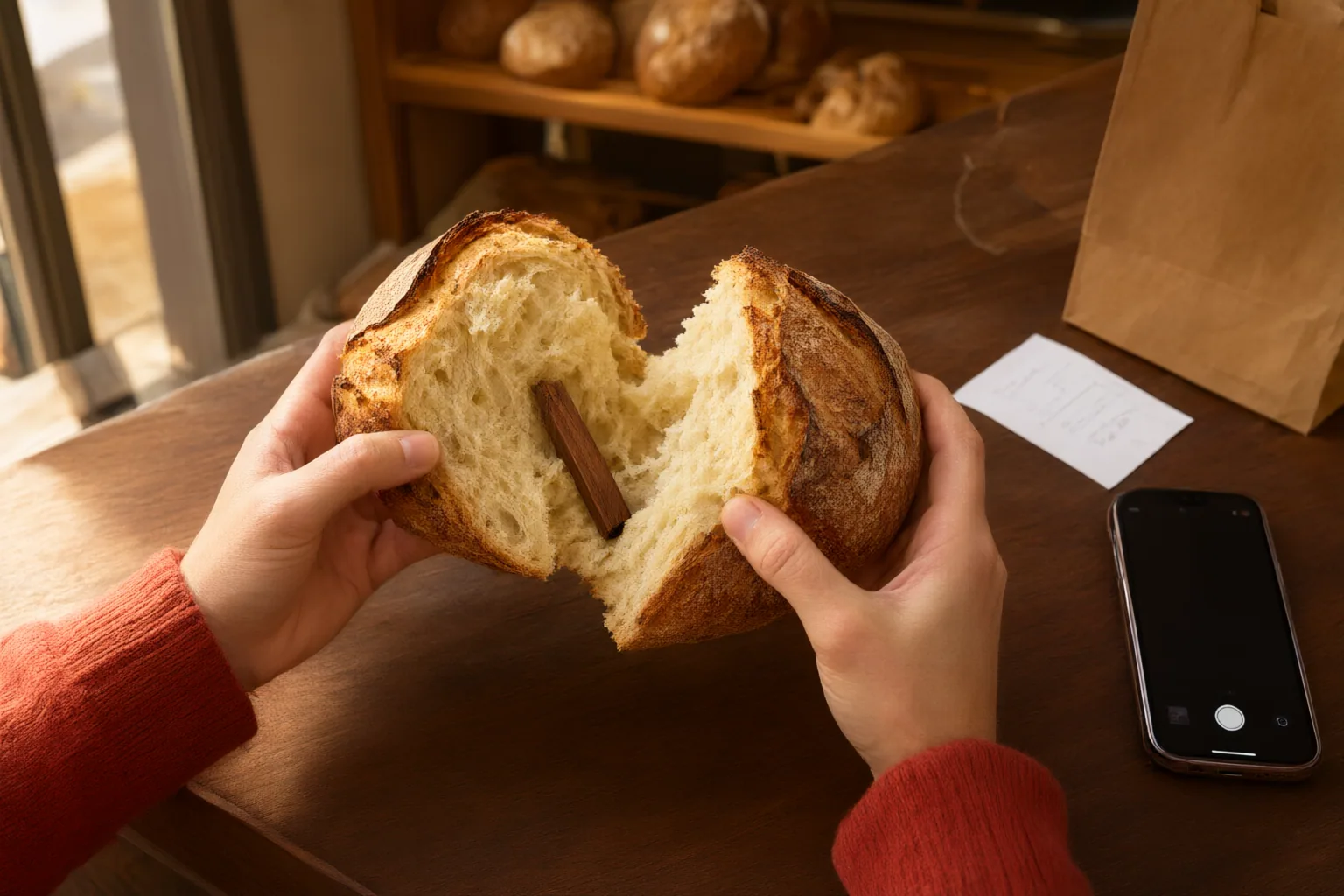
Create a clear record before making a complaint. Take photographs that show the object with the bread and packaging. Retain the original package and receipt, and write down when and where the product was obtained. If an injury occurred, record when, where, and how it happened; share those details with the treating dentist or doctor.
The supplied sources describe different reporting routes. One advises contacting the manufacturer or distributor through the customer-service information printed on the package. Another recommends contacting the retailer and the relevant local environmental-health authority within its jurisdiction. That second source describes UK procedures and should not be treated as instructions for Indonesia.
For an incident in Indonesia, use package-listed customer-service information when available and verify which retailer, manufacturer, distributor, or appropriate local authority should receive the report. Do not assume that a reporting or specimen-transfer procedure from another country applies locally. When contacting a verified channel, provide a concise account and identify the evidence you have retained. No verified Kampoeng Roti contact details or Indonesian regulator contacts appear in the supplied research.
Conclusion
Respond in four stages: protect health, preserve evidence, document what happened, and verify the correct reporting route. Stop eating the bread and obtain prompt medical or dental care for any injury. Photograph the object with the bread and packaging, retain the receipt and specimen, and avoid opening an intact transparent package. Then contact an appropriate verified local or package-listed channel without assuming that procedures from another jurisdiction apply in Indonesia.
Disclosures and limitations
- This article was prepared with AI assistance using only the supplied research sources; material guidance is attributed through the accompanying source IDs.
- The sources offer general guidance and do not provide verified Kampoeng Roti contact details, Indonesian regulator contacts, or confirmed Indonesia-specific reporting and specimen-storage procedures.
Related reading
- Practical Bread Tips and Safe Access Guides
- How to Share Bread with Less Hand Contact at an Indoor Family Gathering